Kratom: Regulatory & Public Health Brief
Kratom (Mitragyna speciosa) produces opioid like effects through metabolic conversion. Its primary alkaloid, mitragynine, is converted in the human body into 7 hydroxymitragynine (7 OH), a compound 10 times stronger than morphine. This is the same system involved in the effects of opioids such as OxyContin, Percocet, Vicodin and fentanyl.
This pharmacology explains concerns related to dependence, withdrawal, respiratory depression, and regulatory classification despite kratom’s continued sale as a consumer product.
Executive Summary
Opioid receptor activity. Kratom’s effects depend on conversion of mitragynine into 7-hydroxymitragynine (7-OH), a potent μ-opioid receptor agonist associated with dependence, withdrawal, and respiratory depression.
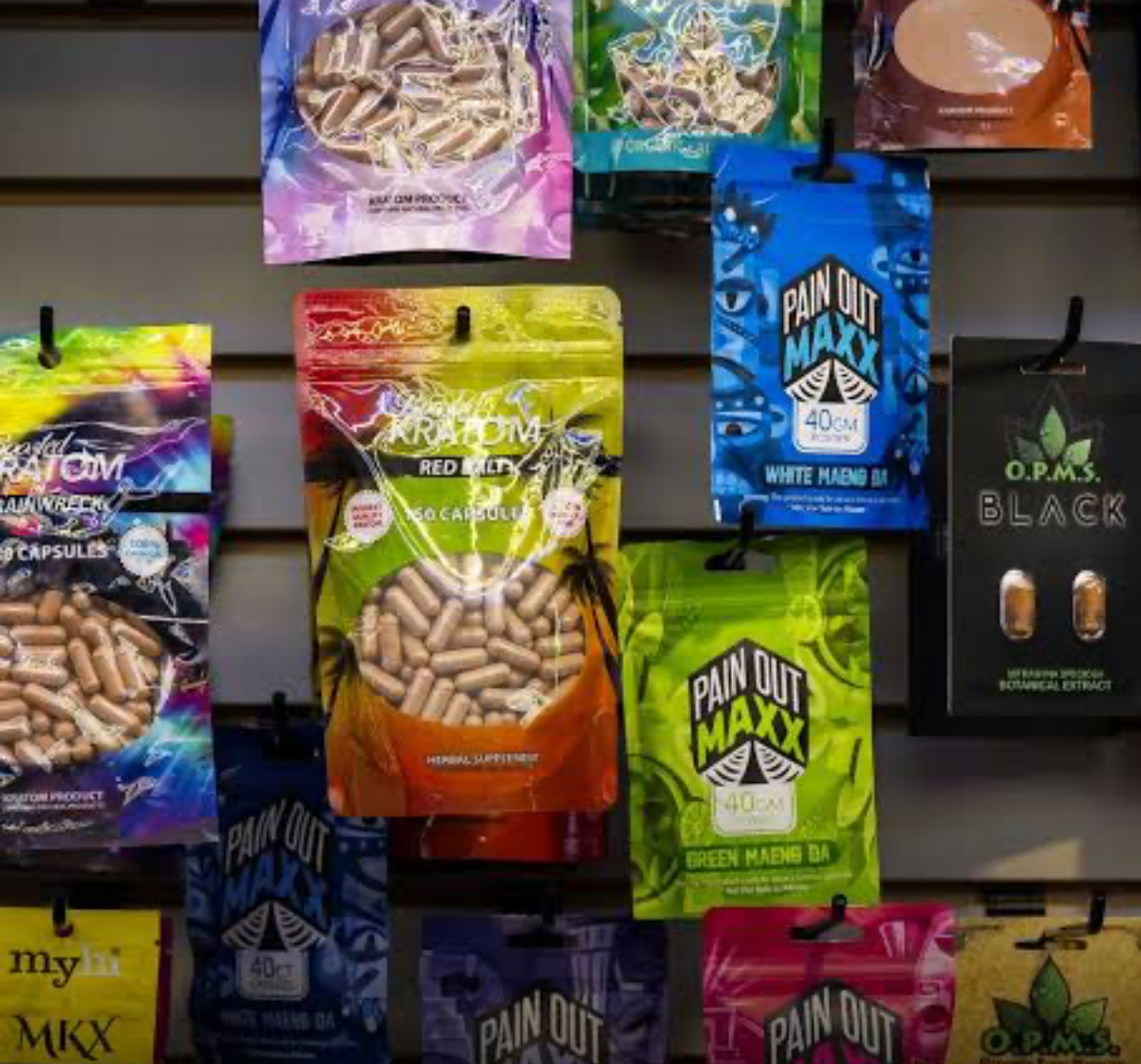
Unregulated retail distribution. Kratom products are sold widely in gas stations, vape shops, and convenience stores without FDA approval, standardized dosing, or pharmaceutical oversight.
Documented public-health harm. Poison control data, medical case reports, neonatal withdrawal cases, and mortality surveillance systems identify kratom involvement in serious adverse outcomes.
Regulatory ambiguity. Kratom is neither an FDA-approved drug nor a lawful dietary supplement, yet remains widely available due to enforcement gaps and statutory uncertainty.
Why Kratom Matters to Policymakers
Comparable pharmacology. 7-OH binds μ-opioid receptors with potency comparable to controlled opioid analgesics, raising abuse and safety concerns.
Healthcare system burden. Emergency department visits, poison center calls, neonatal intensive care admissions, and addiction treatment costs are absorbed by state systems.
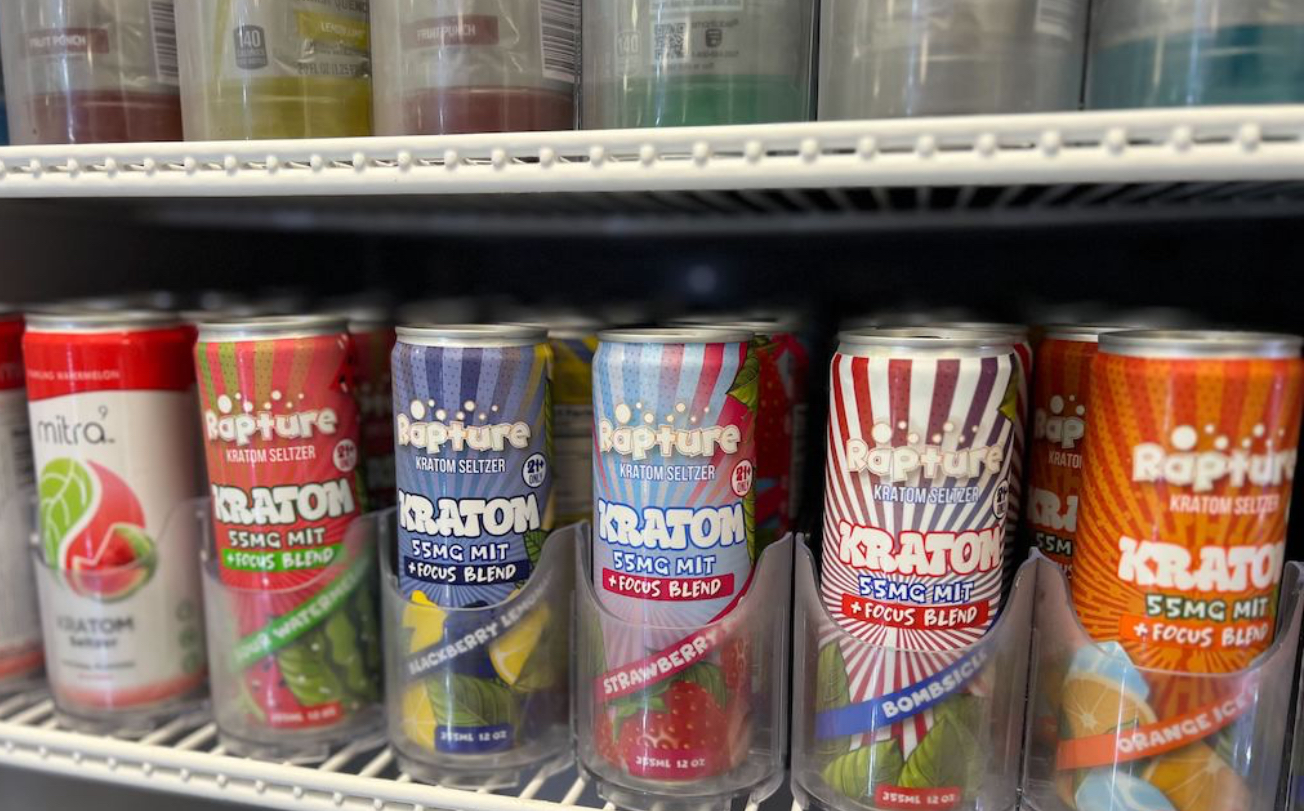
Retail normalization. Packaging alongside snacks, supplements, and energy drinks obscures risk and complicates enforcement.
Cost of delayed action. Experience with tobacco, synthetic cannabinoids, and vaping products demonstrates the public-health cost of regulatory delay.
Retail Marketplace Evidence
The images below document kratom products as sold in U.S. retail settings. Packaging, labeling, and placement resemble consumer beverages or supplements rather than substances with opioid-like pharmacology.

Video Documentation of Retail Marketing
These video clips document real-world retail marketing practices, product placement, and consumer access points relevant to regulatory enforcement, youth exposure, and public-health oversight.
Clinical and Public Health Effects
Acute effects. Euphoria, sedation, impaired cognition, nausea, dizziness, and respiratory depression—especially at higher doses or in combination with other substances.
Chronic use. Tolerance, physical dependence, mood disturbances, gastrointestinal complications, and sleep disruption.
Withdrawal syndrome. Tremor, vomiting, insomnia, autonomic instability, anxiety, and dysphoria—often indistinguishable from opioid withdrawal.
High-risk populations. Adolescents, pregnant individuals, and persons with substance-use disorders face disproportionate risk.
Common Claims vs. Scientific Evidence
Claim: “Plant-based implies safety.”
Evidence: Botanical origin does not reduce opioid receptor activity or abuse liability.
Claim: “Kratom treats opioid use disorder.”
Evidence: Clinical literature documents kratom-induced dependence requiring treatment.
Claim: “Retail availability implies approval.”
Evidence: FDA has not approved kratom as a drug or dietary supplement.
Claim: “Label dosing is accurate.”
Evidence: Testing shows wide variability and undisclosed additives.
Policy and Legislative Considerations
Statutory classification. Legislatures may evaluate whether kratom meets definitions of an adulterated food, unapproved drug, or controlled substance.
Retail access restrictions. Removal from gas stations and vape shops may reduce youth exposure and normalize enforcement.
Alignment with federal findings. FDA, CDC, NPDS, and peer-reviewed literature consistently document safety concerns.
Downstream cost prevention. Emergency care, neonatal withdrawal, addiction treatment, and enforcement costs are shifted to states.
References
- Kruegel AC, et al. 7-Hydroxymitragynine is an active metabolite of mitragynine. ACS Cent Sci. 2019;5(6):992–1001. link
- Huestis MA, et al. Human mitragynine & 7-OH pharmacokinetics after kratom leaf. Molecules. 2024;29(5):984. link
- Hill R, et al. Respiratory depressant effects of mitragynine limited by conversion to 7-OH. Br J Pharmacol. 2022;179(14):3875–3885. link
- Matsumoto K, et al. Antinociceptive effect of 7-OH in mice. Life Sci. 2004;74(17):2143–2155. link
- Matsumoto K, et al. μ-receptor involvement in 7-OH effects. Eur J Pharmacol. 2006;549(1–3):63–70. link
- Olsen EOM, et al. Kratom detected in overdose deaths—27 states. MMWR. 2019;68(14):326–327. link
- CDC. SUDORS Final Data Dashboard (2020–2023). link
- Gummin DD, et al. 2023 NPDS Annual Report. Clin Toxicol (Phila). 2024;62(12):e1–e1261. link
- Weiss ST, Douglas HE. Treating kratom withdrawal with buprenorphine/naloxone. J Addict Med. 2021;15(2):167–172. link
- Davidson L, et al. Neonatal abstinence after maternal kratom. J Neonatal Perinat Med. 2019;12(1):109–112. link
- Mackay L, Abrahams R. Maternal & neonatal dependence/withdrawal. Can Fam Physician. 2018;64(2):121–122. link
- Wright ME, et al. Systematic review of prenatal kratom exposure. J Perinatol. 2021;41:1236–1243. link
- Ordean A. Review & clinical management: antenatal kratom exposure. Res Rep Neonatol. 2023;13:15–21. link
- U.S. FDA. FDA and Kratom — Public Health Focus. link