Inside the Kratom Advocacy Machine
One click, identical letters — how the “Judiciary Contact Mill” simulates grassroots testimony
📄 Real example: generated letter from placeholder input
Below is a PDF produced by the GKC tool after entering only “Xx” in every field. The letter contains fully formed policy arguments and a “personal story” written by the system.
*PDF file from the GitHub directory (IMG_6790).
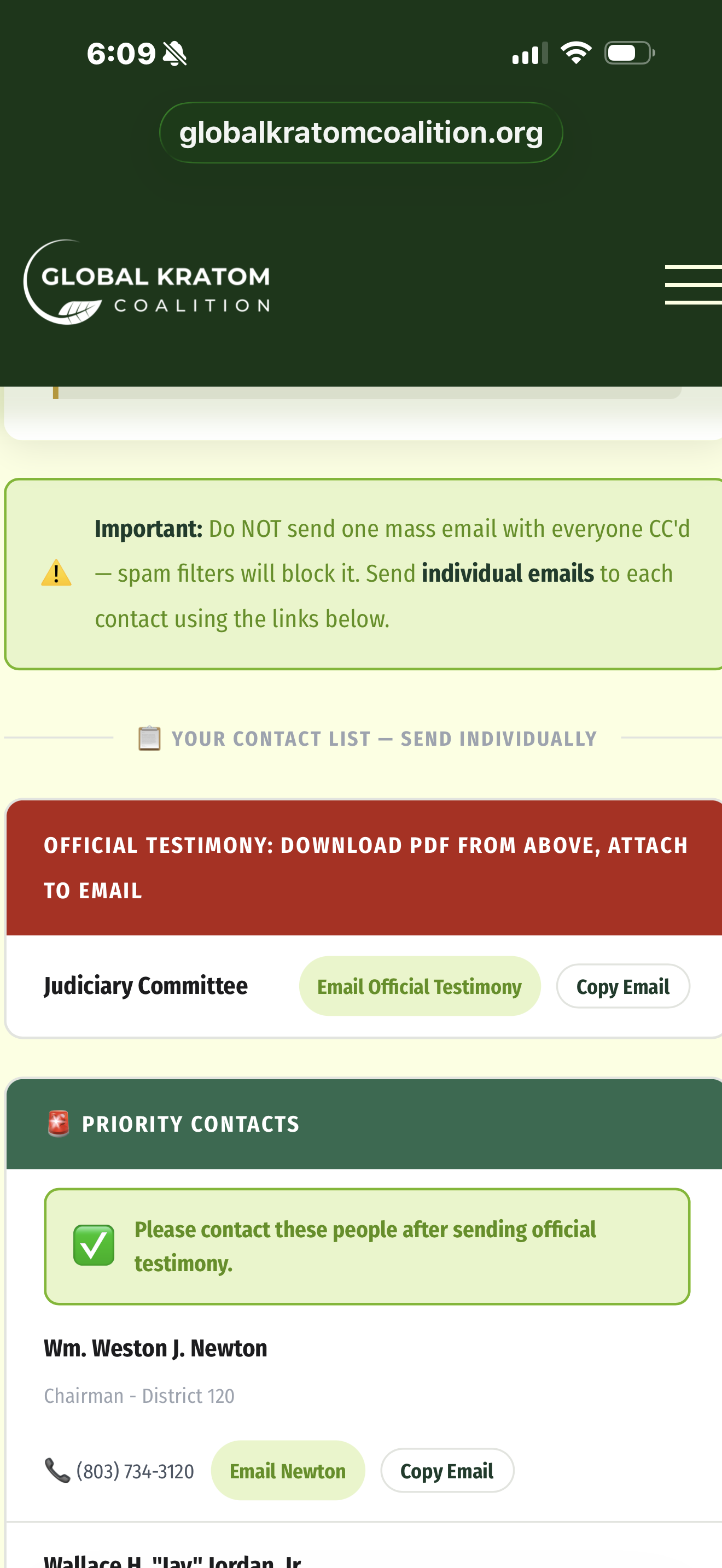
Figure 1: Spam-filter guidance – “Do NOT send one mass email … send individual emails”
📩 Discussion: The tool explicitly warns against mass CC’ing to avoid spam blocks. This is tactical: by forcing individual delivery, each identical letter appears as a separate constituent email, evading spam filters that would catch bulk copies. It’s a deliberate design to maximize inbox penetration.
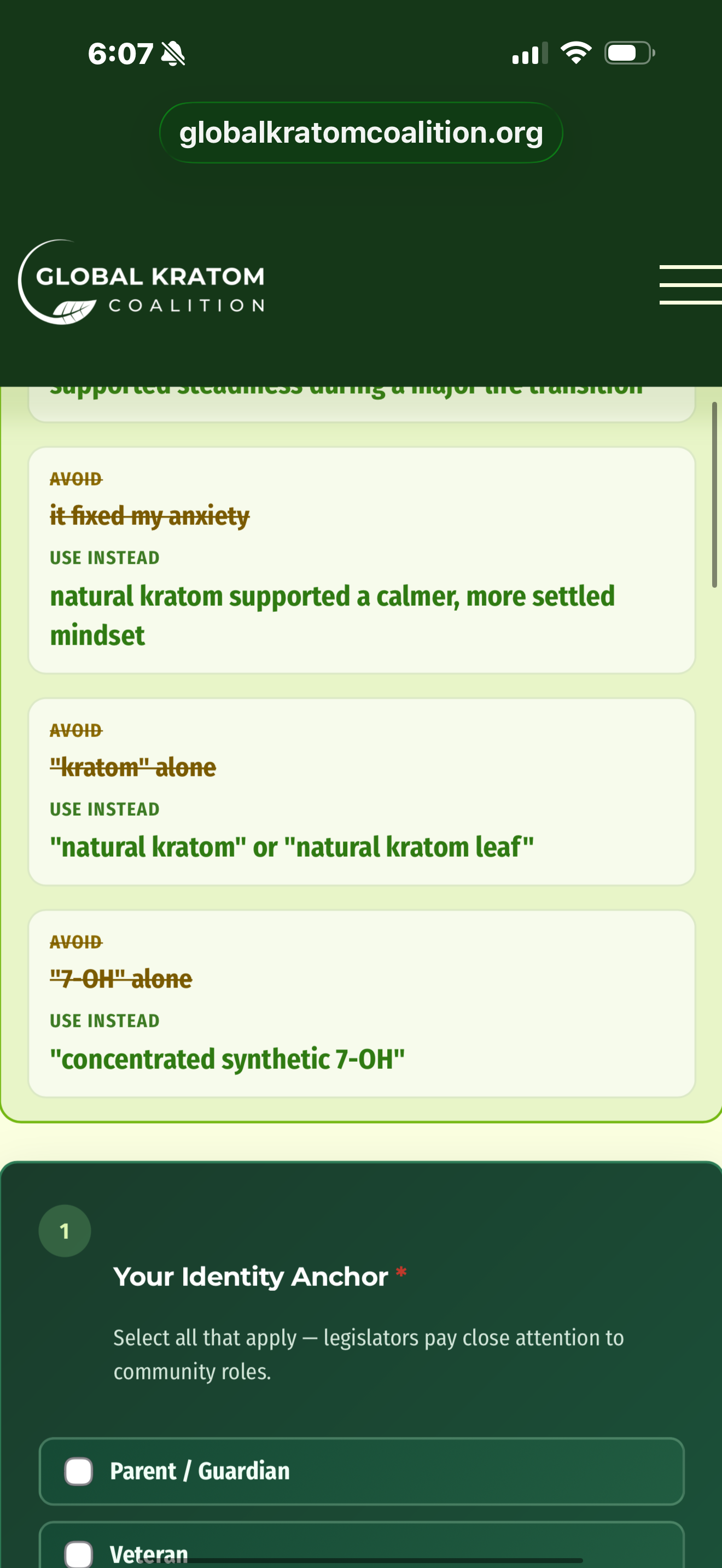
Figure 2: Built-in rewrite rules – avoid “it fixed my anxiety”, use “natural kratom supported a calmer mindset”
✍️ Discussion: The interface coaches users on approved phrasing. “Natural kratom” vs “kratom” alone, and “concentrated synthetic 7-OH” instead of “7-OH”. This ensures generated letters adhere to a consistent narrative – even when the user types something informal, the final output is standardized.
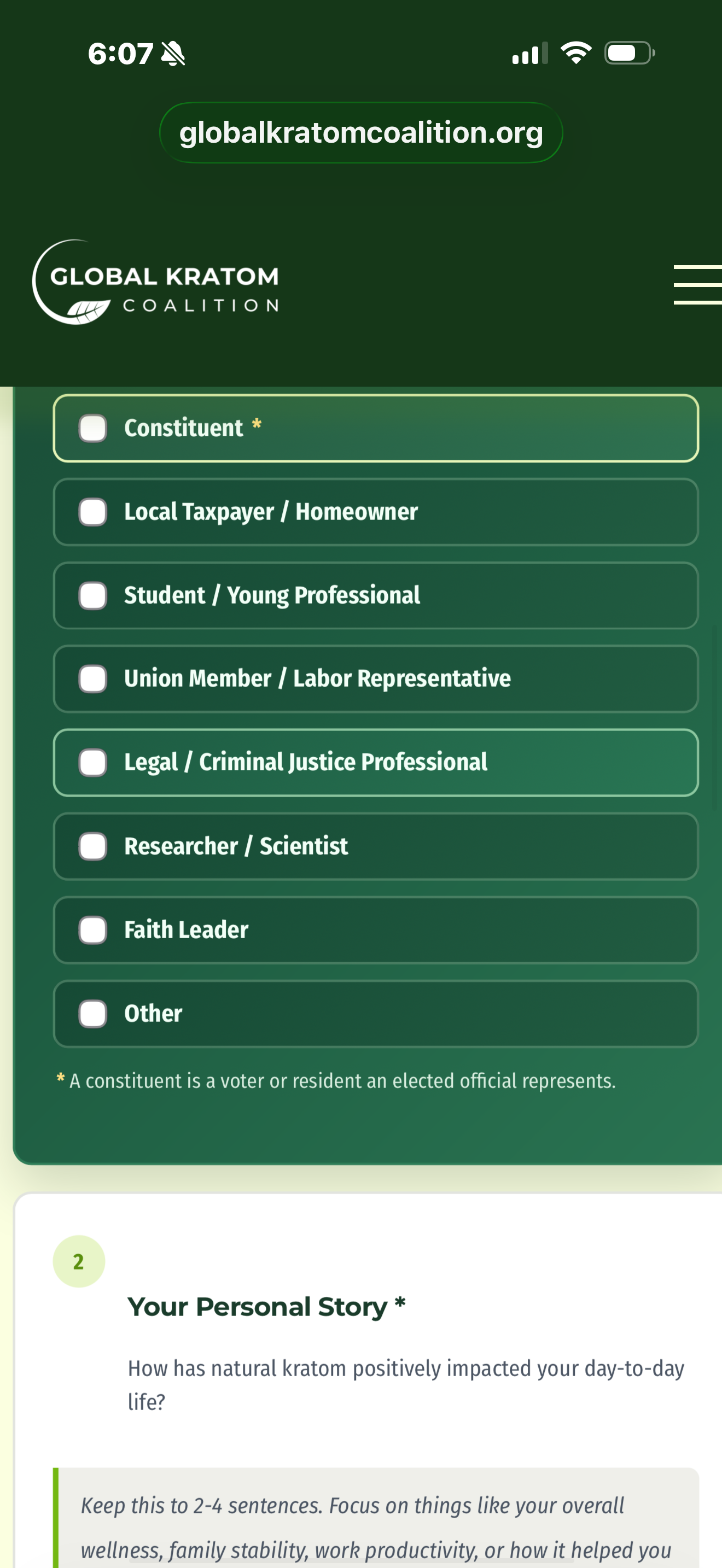
Figure 3: Identity anchors – “Constituent”, “Parent / Guardian”, “Veteran”, “Student”, etc.
🪪 Discussion: Users select from a list of community roles. Legislators pay attention to these identifiers, but the tool uses them to customize the salutation while leaving the core template untouched. One letter may call you a “veteran constituent”, another a “small business owner” – but the policy ask is word-for-word identical.
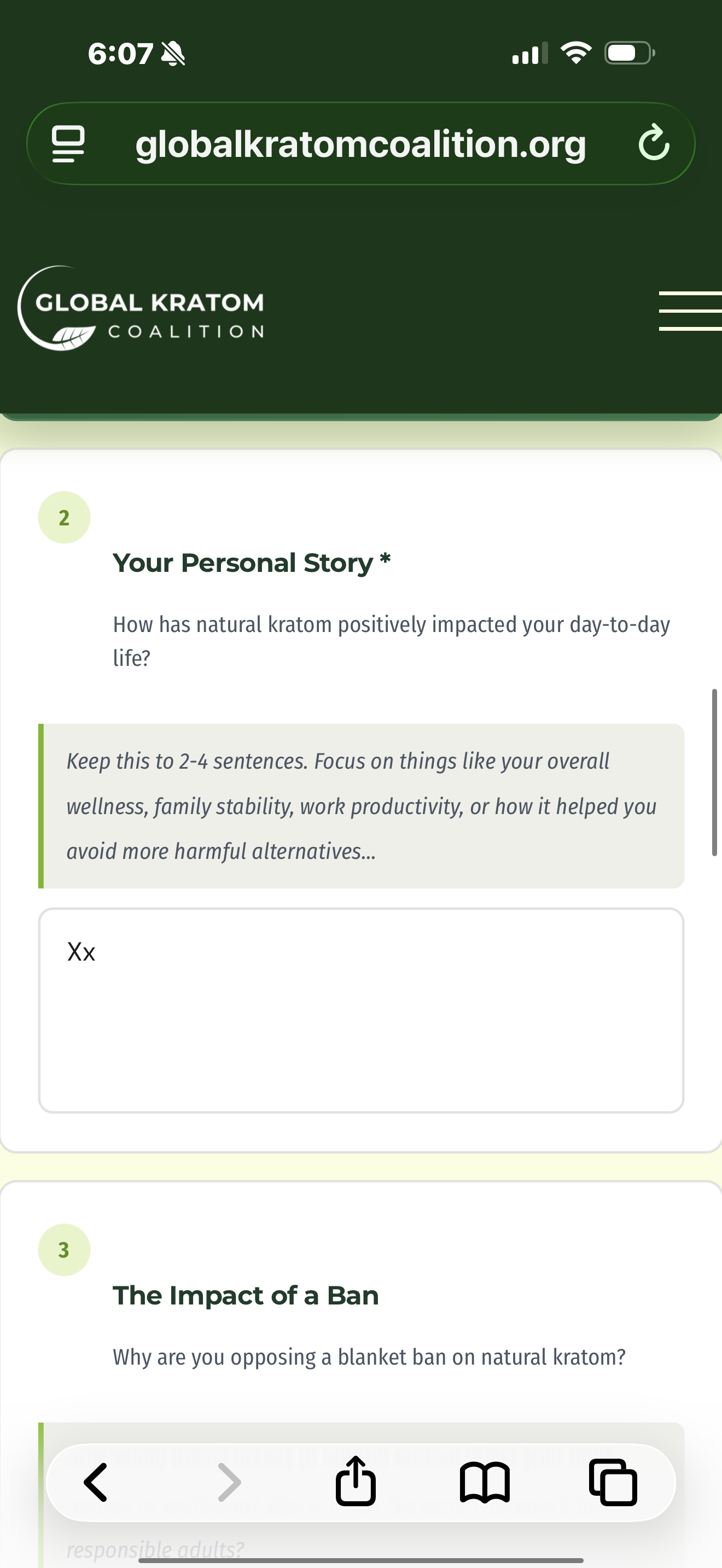
Figure 4: Personal story prompt – “How has natural kratom positively impacted your day-to-day life?”
📖 Discussion: The prompt suggests 2-4 sentences focusing on wellness, family stability, work productivity. This framing channels responses into a narrow set of acceptable benefits. Even when users write something else, the final generated letter often reverts to these themes.
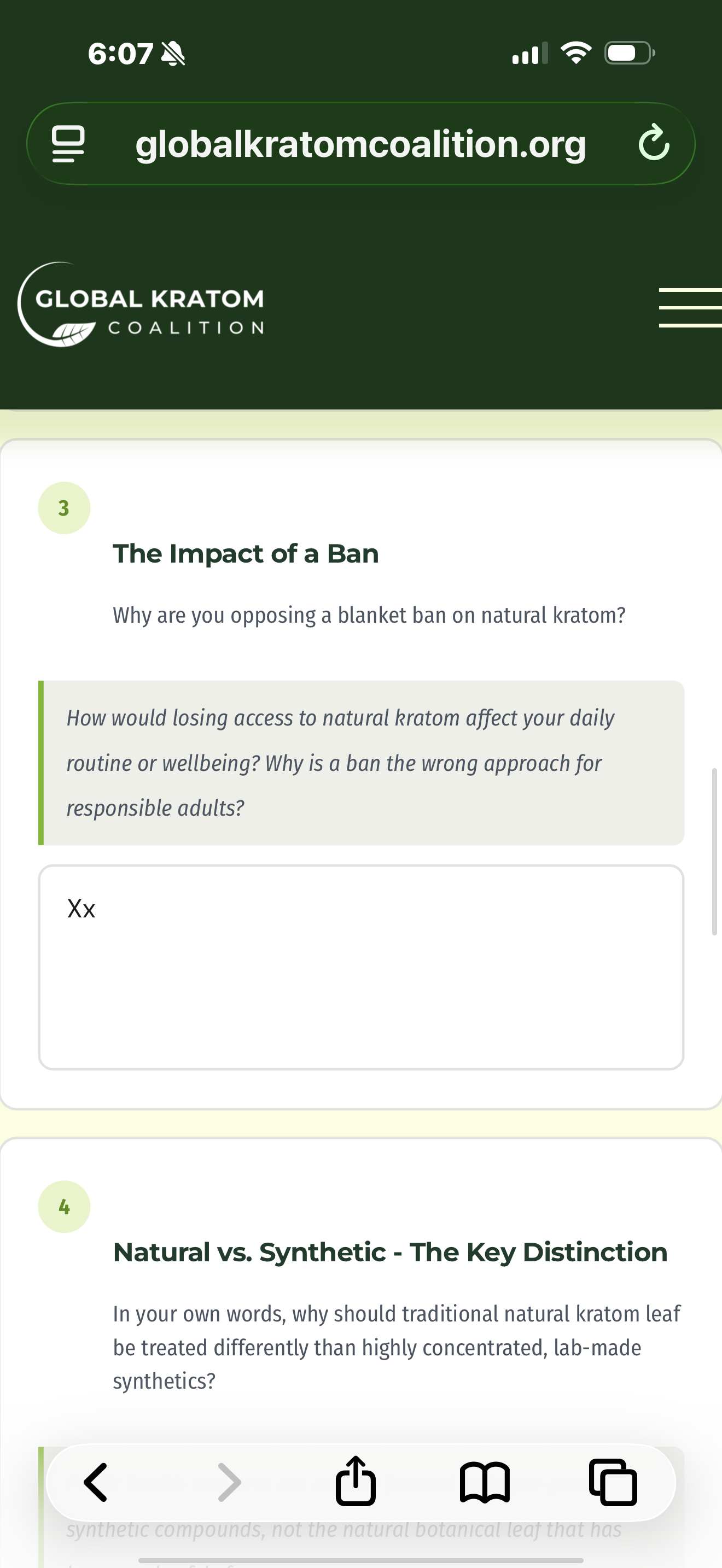
Figure 5: “Impact of a Ban” and “Natural vs Synthetic – The Key Distinction”
⚠️ Discussion: The tool separates these questions, but the generated output merges them into a single argument: a ban would be harmful, and the real danger is synthetic 7-OH, not natural leaf. This distinction appears in every letter, regardless of whether the user understands or agrees with it.
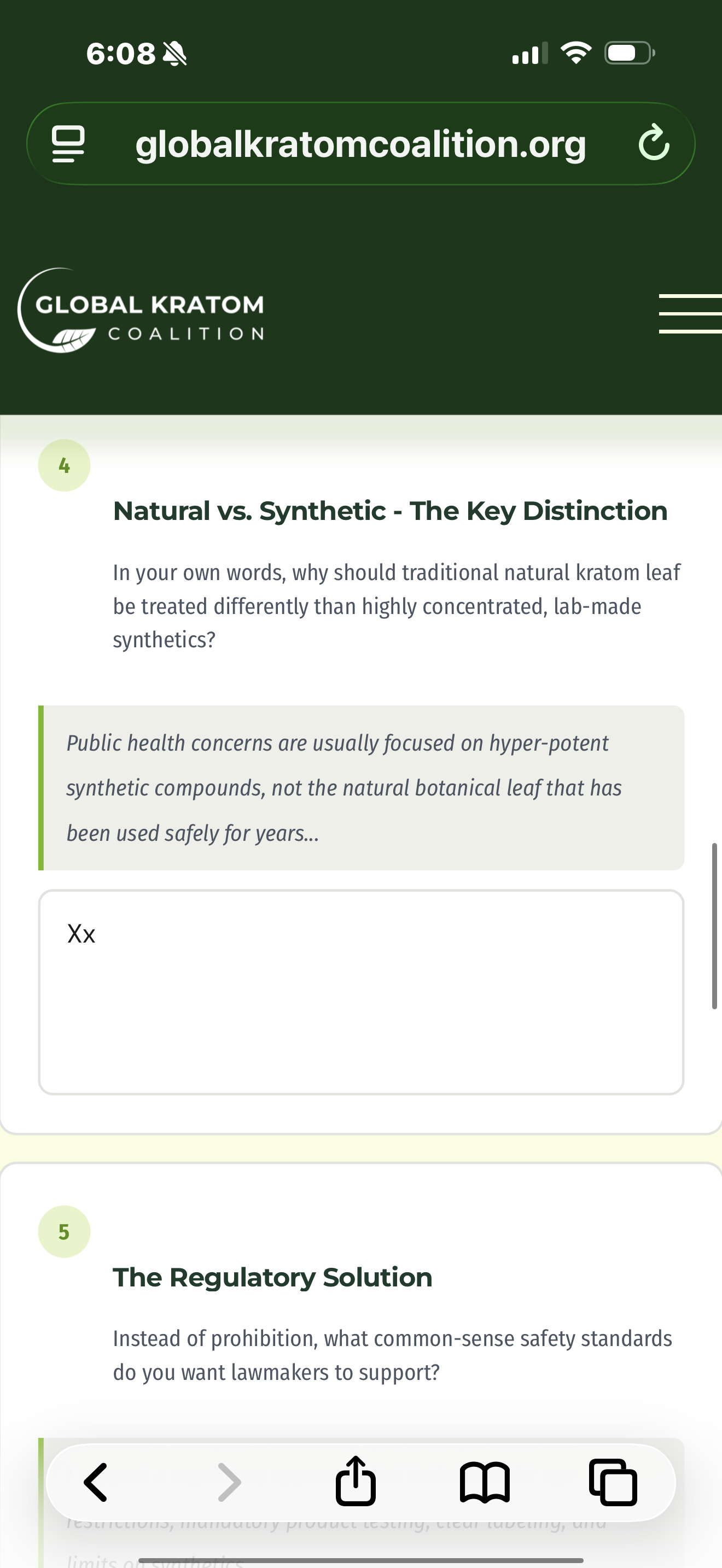
Figure 6: “Why should traditional natural kratom leaf be treated differently than highly concentrated, lab-made synthetics?”
🧪 Discussion: The question is leading – it assumes the reader already believes natural leaf is different. Public health concerns about hyper-potent synthetics are mentioned upfront. This primes the user to repeat that framing, which then becomes the central pivot of the final letter’s policy demand.
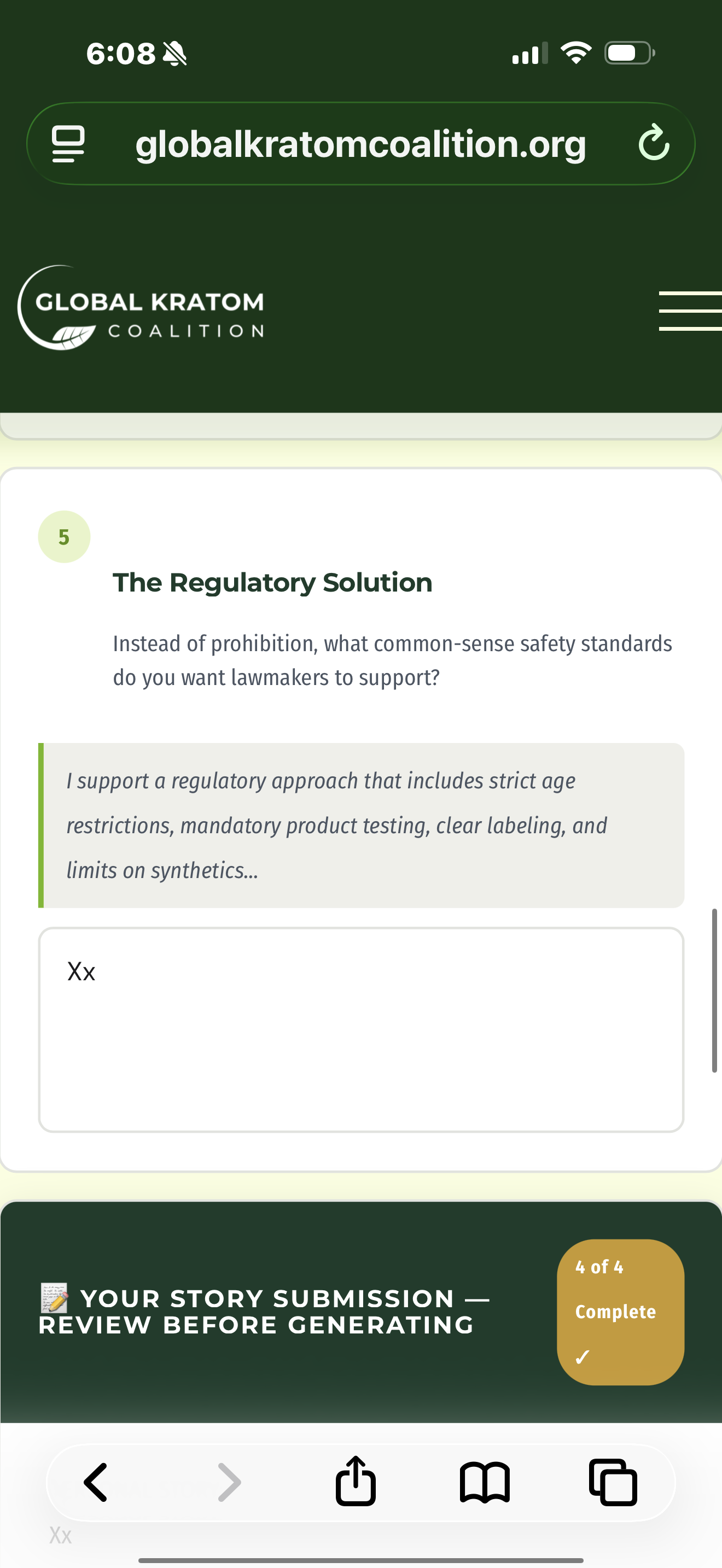
Figure 7: “The Regulatory Solution” – age restrictions, mandatory testing, clear labeling, limits on synthetics
⚖️ Discussion: The tool doesn’t ask users to invent a regulatory framework – it supplies one. “Age restrictions, mandatory testing, labeling, limits on synthetics” appears verbatim in nearly every generated letter, giving the impression that thousands of constituents independently arrived at the same detailed policy proposal.
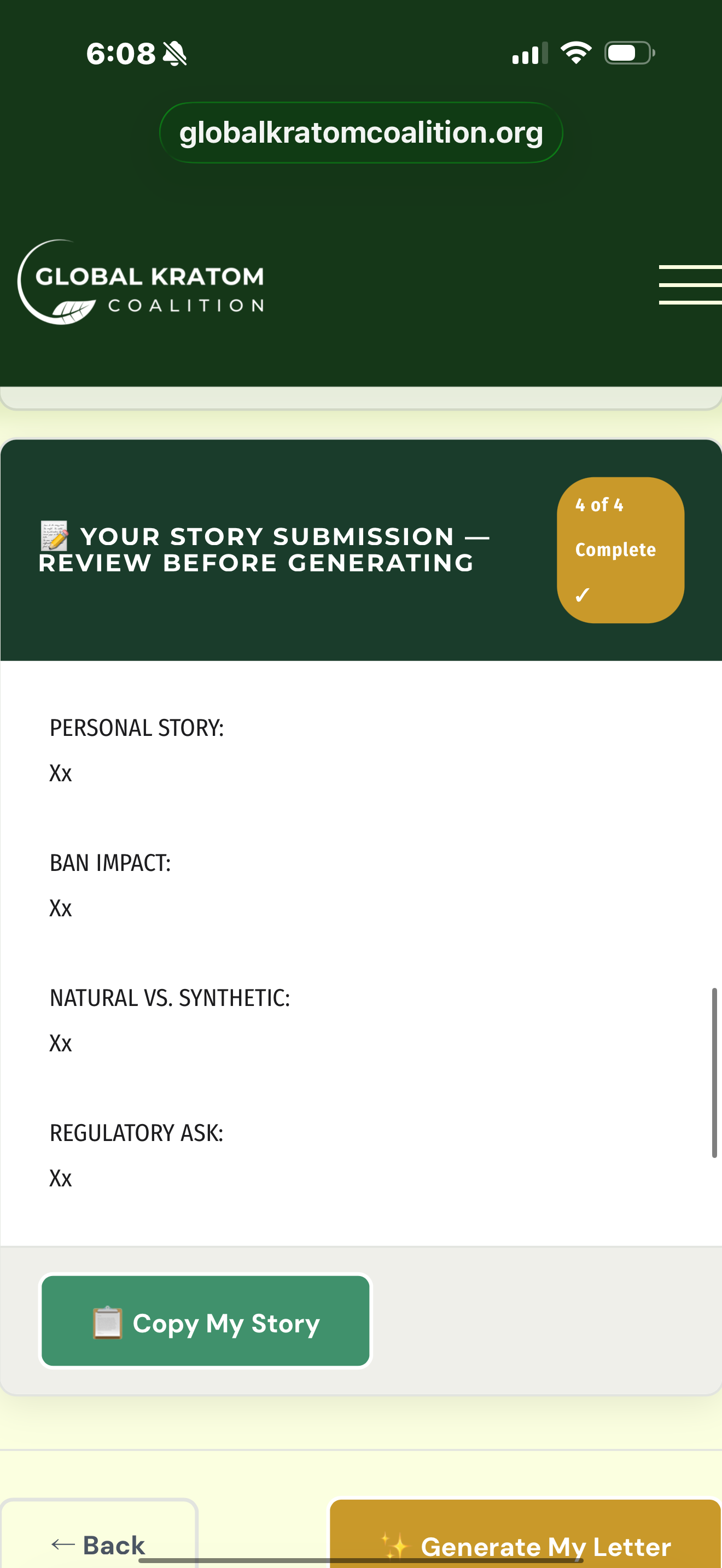
Figure 8: Submission review – “PERSONAL STORY: Xx / BAN IMPACT: Xx / NATURAL VS SYNTHETIC: Xx / REGULATORY ASK: Xx”
❌ Discussion: This is the core evidence. We entered nothing but “Xx” in every field. The system still generated a complete, articulate letter (see the PDF above). The user contributed zero substance; the machine wrote the advocacy message. That’s not amplification – it’s creation.
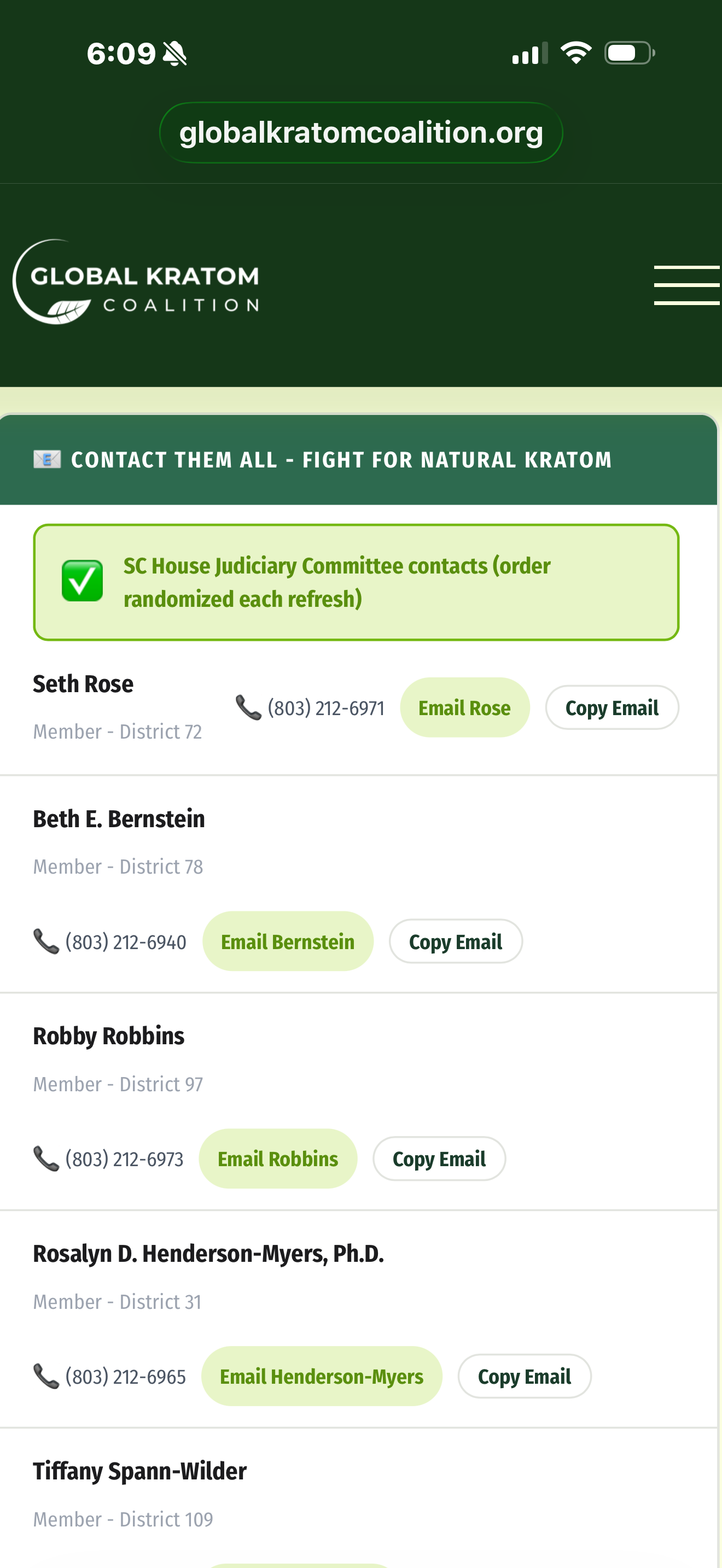
Figure 9: Judiciary committee contact list – randomized each refresh, one-click email buttons
📬 Discussion: The “judiciary contact machine”. Each “Email [Lawmaker]” button opens a pre-filled message with identical talking points. The order randomizes to avoid obvious pattern detection. This turns individual advocacy into a scalable, uniform pressure campaign – the same letter, sent by many hands, appearing as grassroots diversity.
⬇️ WHY THIS UNDERMINES AUTHENTIC TESTIMONY ⬇️
🧠 The automation problem
When a constituent writes a letter, the value is in the unique perspective. When a system writes a letter and the constituent only clicks “send,” the resulting flood of identical messages is not grassroots – it’s a coordinated campaign disguised as many individuals.
“Are you hearing from constituents, or from a system designed to speak for them?”
🔗 Try the Advocacy Buddy yourself
The Global Kratom Coalition encourages anyone to use their tool. See how little input it takes to produce a polished, persuasive email. Enter “Xx” in every field – you’ll witness the template fill the gaps.
✍️ Visit the Advocacy Buddy → generate your own letter
📢 What lawmakers should ask:
- Was this letter written by the constituent, or filled in by a template?
- How many nearly identical messages have arrived from the same advocacy tool?
- Does the “personal story” reflect real experience, or pre-written boilerplate?
Bottom line: This is not about kratom policy. It’s about the integrity of constituent input. Automated systems that manufacture “personal” stories from empty fields erode trust in democratic processes. The judiciary contact machine may generate volume, but it does not generate genuine public opinion.
All images referenced from IMG_6790 directory: spamfilter.png, auto rewrite.png, input1.png, input2.png, input3.png, input4.png, input5.png, input6.png, contact.png. PDF: GKC letter.pdf.