Botanical Bullshit - DMAA and the All Natural Lie
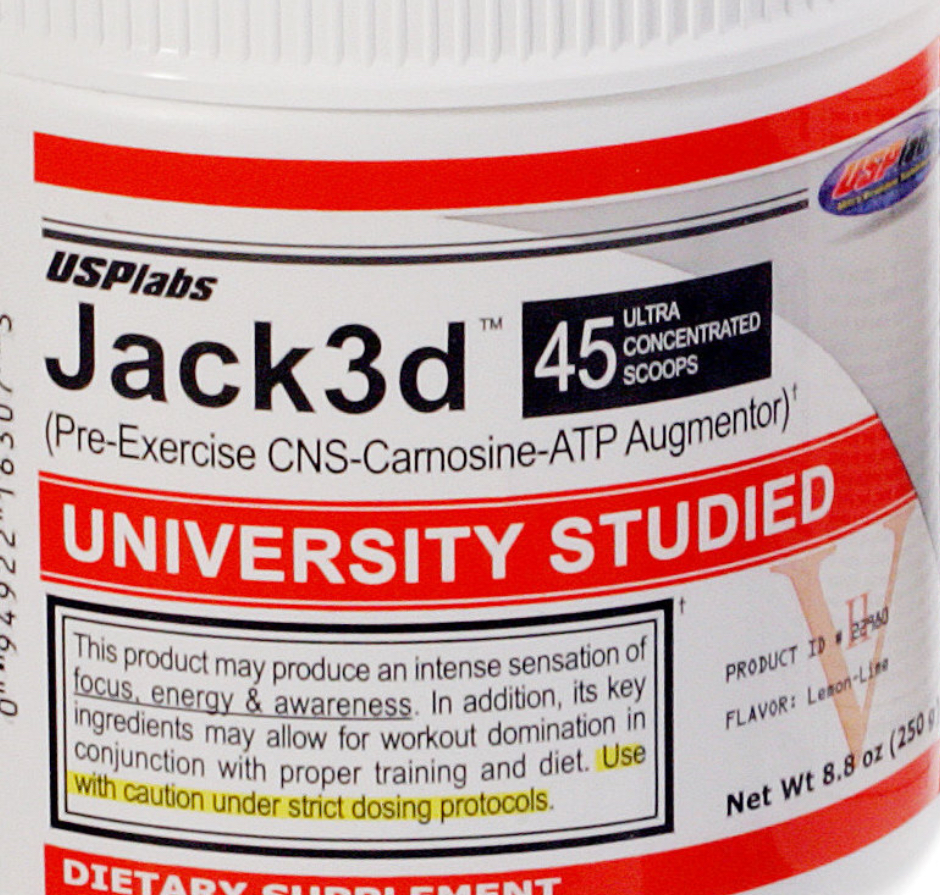
DMAA is the pre-workout stimulant that would not die. Labels called it geranium extract. Stores called it natural. The science calls it what it is: an amphetamine-like drug that tightens arteries, spikes blood pressure, and has no place in a dietary supplement.
What DMAA Is
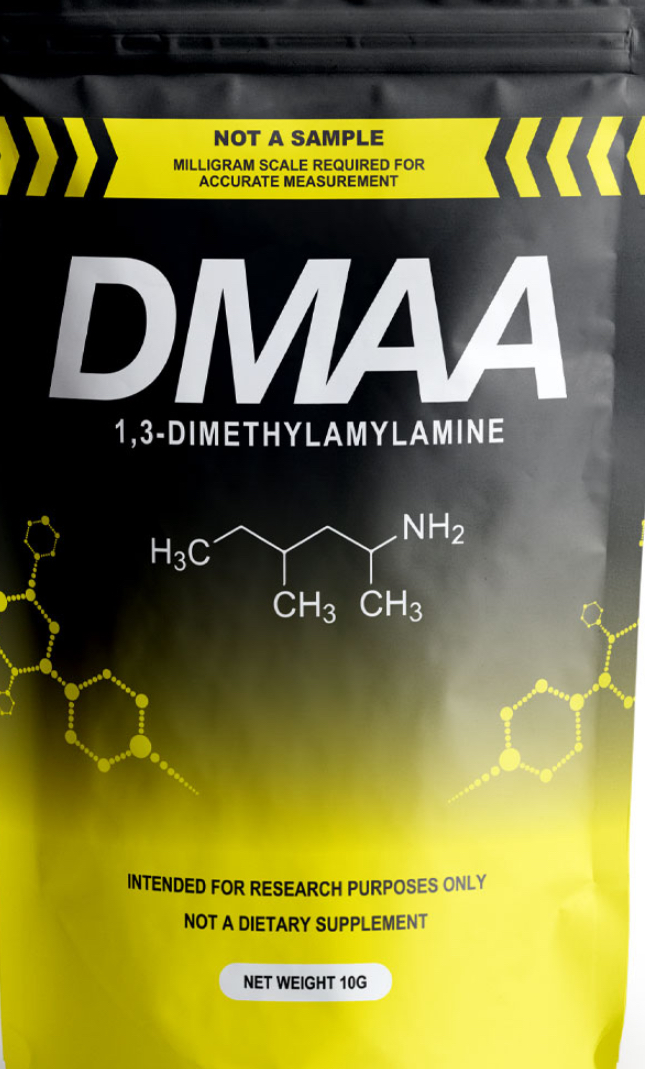
DMAA stands for 1,3-dimethylamylamine. It was patented in the 1940s as a nasal decongestant and resurfaced in the 2000s inside weight loss and pre-workout products. The FDA classifies DMAA products sold as supplements as illegal and adulterated. It is not a lawful dietary ingredient and there is no reliable evidence that it occurs naturally in plants.
Why It Is Dangerous
DMAA is a strong vasoconstrictor. That means it narrows arteries and raises blood pressure. Regulators have linked DMAA products to chest pain, shortness of breath, heart attack, stroke, brain hemorrhage, liver injury, and sudden death after exertion. Research also shows amphetamine-like activity at brain transporters associated with reward and abuse risk.
The Geranium Myth
For years labels claimed DMAA was a natural extract from Pelargonium graveolens. FDA reviews and independent analyses did not find credible evidence of DMAA in geranium oils. The claim persisted because it sold product. It was marketing, not botany.
How It Stayed On Shelves
Manufacturers hid behind dietary supplement law and a rotating list of names: methylhexanamine, 1,3-dimethylpentylamine, 4-methylhexan-2-amine, geranamine, and plain geranium extract. When one label got flagged, a new label appeared. Enforcement eventually forced major recalls and court ordered destruction, but copycat products still pop up online.
What You Can Do
- Send a letter to lawmakers - Ask your city, county, and state to ban DMAA and its analogs in retail products and to align signage and age limits with alcohol and tobacco.
- See how to take action - Use MAHA’s step by step guide to organize local testimony, request inspections, and push for retail compliance checks.
- Report products that list methylhexanamine, 1,3-dimethylamylamine, 1,3-dimethylpentylamine, or geranium extract when sold as a stimulant.
- Tell coaches and gym owners that DMAA is not a supplement. It is a banned stimulant and a liability.
Bottom Line
DMAA is not herbal and not natural. It is an unapproved stimulant with amphetamine like effects, repeatedly linked to serious harm. If a product needs a chemistry trick and a plant story to sell a buzz, it does not belong next to vitamins.
References
- U.S. Food and Drug Administration. DMAA in Products Marketed as Dietary Supplements. August 2018.
- FDA Center for Food Safety and Applied Nutrition. Toxicology review of 1,3-dimethylamylamine: lack of GRAS for use in foods. 2021.
- Operation Supplement Safety, DoD. DMAA: A prohibited stimulant. Updated 2022.
- Small C et al. J Pharmacol Exp Ther. 2023. Mechanism studies showing dopamine transporter interactions.
- Dolan SB, Gatch MB. Drug Alcohol Depend. 2015. Abuse liability evidence in animals.
- Schilling BK et al. BMC Pharmacol Toxicol. 2013. Human pharmacokinetics after a 25 mg dose.
Share this page with parents, coaches, and local officials.