Tactics That Vape Shops and Gas Stations Use To Lure Children - Borrowed From Big Tobacco
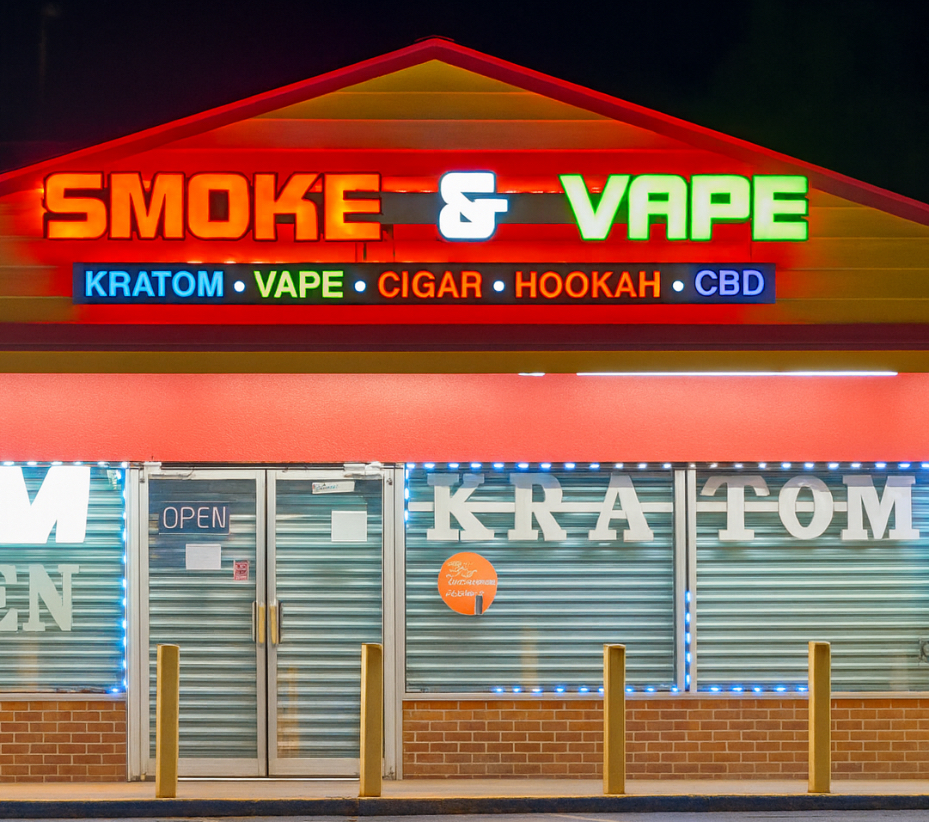
The same playbook that Big Tobacco used for decades to addict a generation has been repurposed for modern nicotine and THC products. Vape devices, flavored pods, and gas-station displays are placed, packaged, and promoted to catch young eyes and normalize use. Below are the common tactics, how they work, and what parents and communities can do to push back.
How we know this is deliberate
There is strong evidence that advertising and in-store promotion influence youth to start using tobacco and e-cigarette products. Convenience stores, gas stations, and vape shops are where teens most often see e-cigarette promotion, and the tactics mirror those the cigarette industry used to recruit new users.
1) Candy and toy aesthetics: flavors, colors, and characters
Flavors like fruit, candy, and dessert are chosen because they appeal to kids. Bright packaging, pocket-sized colorful devices, and names like berry blast or unicorn candy make vapes look like treats rather than nicotine products. These cues reduce perceived risk and increase curiosity among adolescents.
2) Prime placement where kids already are
Vape and nicotine products are often placed at teen eye level, near checkout, or beside slushy machines and candy. Point-of-sale promotion is the largest share of tobacco marketing spend for a reason. It guarantees exposure to shoppers, including minors.
3) Deal marketing: promotions, price discounts, giveaways
Coupons, multi-pack deals, starter discounts, and buy-one-get-one specials lower the cost barrier and encourage trial. Youth are price sensitive, so promotions drive experimentation. Some retailers have used giveaways or loyalty perks that appeal directly to younger customers.
4) Point-of-sale theater: displays, lighting, and signage
Backlit walls, branded refrigerators, and dedicated shelves for flavored pods create a sense of normalcy and desirability. Photo audits and retail studies show these displays increase youth exposure and recall.
5) Social media and influencer overlaps
Local shops amplify in-store tactics with Instagram and TikTok. Reels, challenges, and influencer posts make products aspirational. Teens often discover products on social platforms and then locate them in nearby stores.
6) Easy access: lax ID checks and multiple supply channels
Even in places with age laws, teens report buying from convenience stores and gas stations or via social channels and third parties. Some shops fail to check IDs consistently. Others pivot to disposable devices and packaging that evade flavor restrictions.
7) Positioning as lifestyle: events, music, and cool culture
Brands sponsor local events and run flashy activations to embed vaping into youth culture. It is the old strategy of associating nicotine with identity and belonging.
Why these tactics work
Kids respond to bright colors, sweet flavors, peer cues, and price incentives. Repeated exposure at stores they visit weekly normalizes the product and lowers perceived danger. The combination of attractive design, prominent placement, and easy access converts curiosity into early experimentation and addiction.
What parents and communities can do right now
- Visit local stores and document. Photograph displays, flavors, and placement. Visual evidence is powerful for boards of health and city councils.
- Report violations. File complaints with state tobacco control programs and the FDA when age checks are lax or flavored products are sold illegally.
- Push for retail rules. Use MAHA’s tools to limit flavored product sales, restrict placement near checkout, and require strict ID checks at point of sale. Start here: MAHA Take Action.
- Contact legislators. Send evidence-based letters with MAHA’s templates: MAHA Form Letters.
- Teach media literacy. Talk early and often about how packaging and placement are designed to trick them. Understanding tactics reduces their impact.
References
- U.S. Department of Health and Human Services. Preventing Tobacco Use Among Youth and Young Adults. A Report of the Surgeon General. 2012.
- U.S. Department of Health and Human Services. E-Cigarette Use Among Youth and Young Adults. A Report of the Surgeon General. 2016.
- National Academies of Sciences, Engineering, and Medicine. Public Health Consequences of E-Cigarettes. Washington, DC: The National Academies Press. 2018.
- Federal Trade Commission. Cigarette Report for 2022. Washington, DC: FTC. 2023.
- Robertson L, McGee R, Marsh L, Hoek J. Point-of-sale tobacco promotion and youth smoking: a systematic review. Tobacco Control. 2015;24:e85–e94.
- Lovato C, Watts A, Stead LF. Impact of tobacco advertising and promotion on increasing adolescent smoking behaviours. Cochrane Database of Systematic Reviews. 2011;(10):CD003439.
- Henriksen L. Comprehensive tobacco marketing restrictions: promotion, packaging, price and place. Tobacco Control. 2012;21:147–153.
- Centers for Disease Control and Prevention. Exposure to Electronic Cigarette Advertising Among Middle and High School Students — United States, 2014–2016. MMWR. 2016;65:1345–1349.