Amanita Muscaria — The Fairy-Tale Mushroom With a Dark Side
It looks like a storybook icon. It’s being sold as a “legal high.” But the chemistry of Amanita muscaria is unpredictable and potentially dangerous — and the FDA has already warned that its compounds are not approved for food.
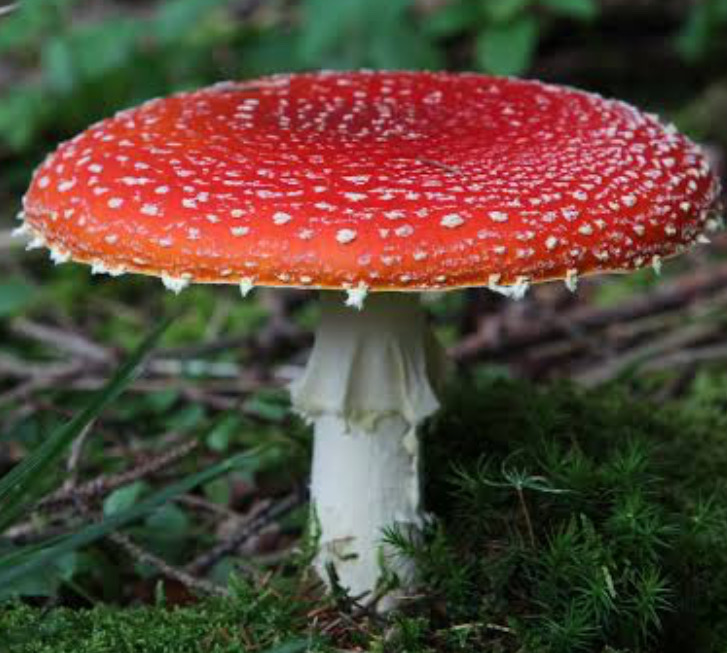
What Amanita Muscaria Is
Amanita muscaria (fly-agaric) contains the psychoactive compounds muscimol and ibotenic acid, which act on GABA receptors. Unlike psilocybin, effects can swing from drowsiness and euphoria to vomiting, delirium, loss of coordination, and seizure-like reactions. Potency varies by specimen and preparation — “dose” is unreliable.
What the FDA Said (2024)
FDA determination: Amanita muscaria and its constituents (muscimol, ibotenic acid, muscarine) are not approved for use in food. Products containing them are considered adulterated under the Federal Food, Drug, and Cosmetic Act. The agency has warned manufacturers and consumers to avoid edibles made with Amanita constituents.
What This Looks Like on Shelves
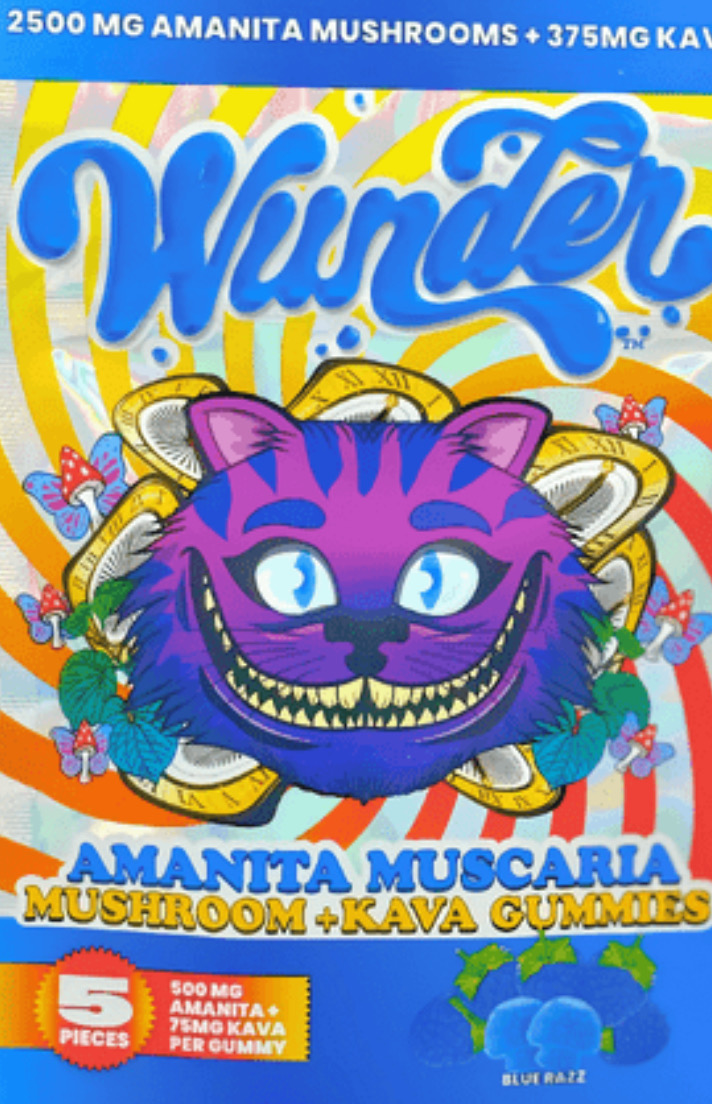
Despite the warning, Amanita candies and gummies are marketed with bright flavors and cartoon graphics that blur the line between drug and dessert:
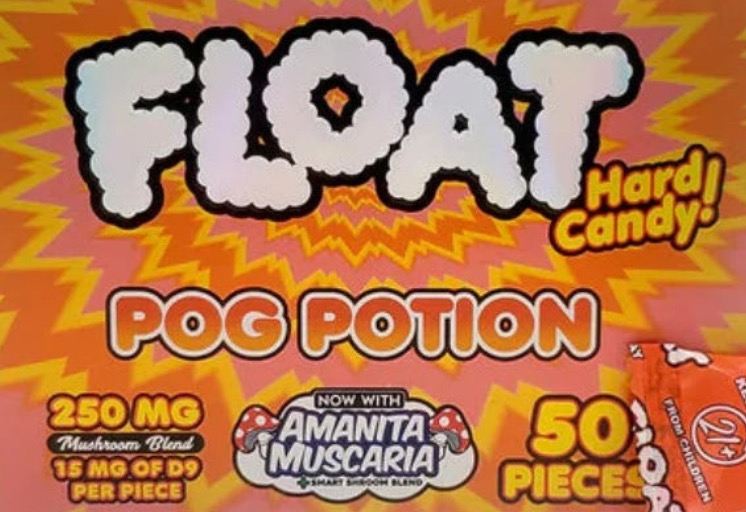
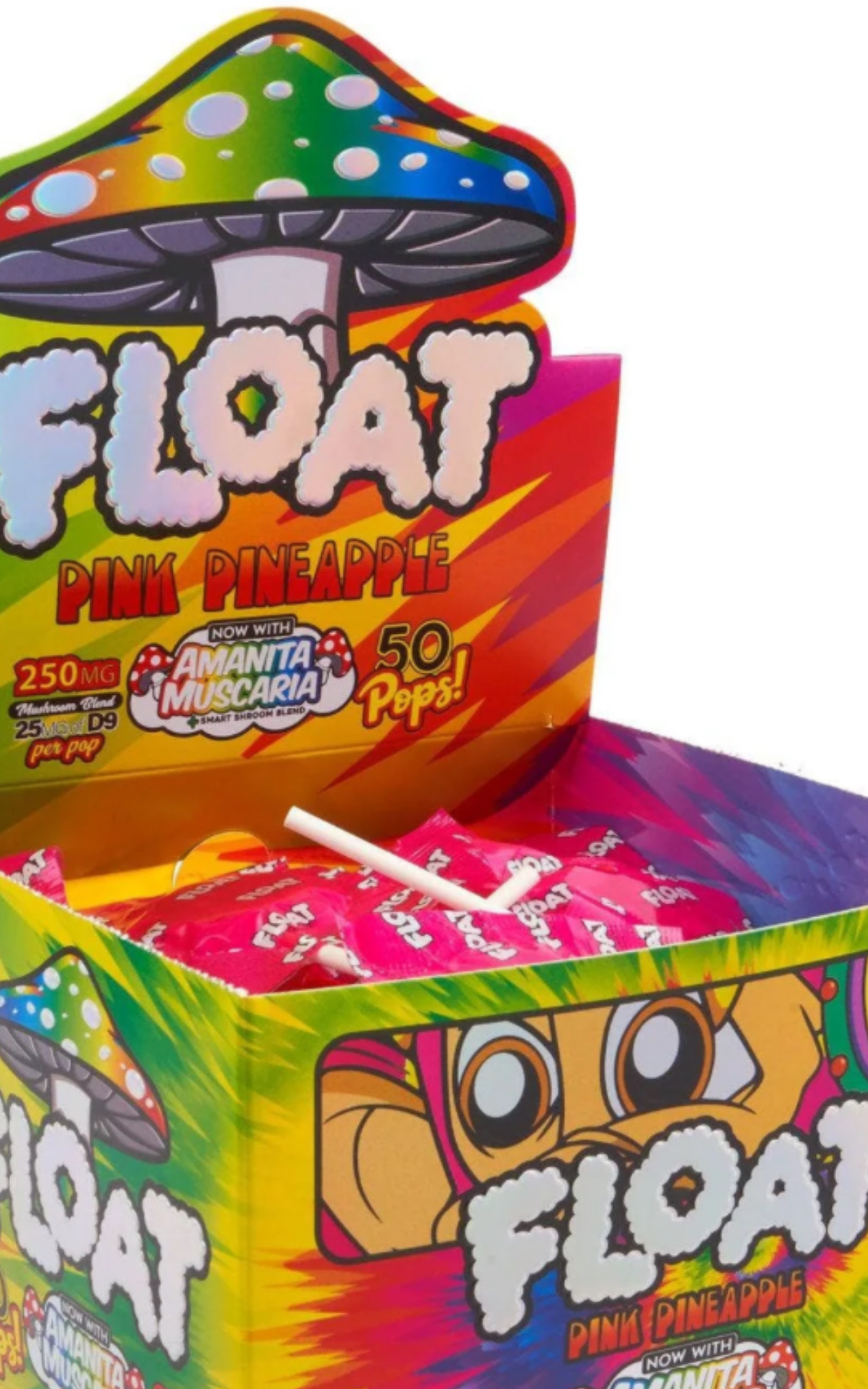
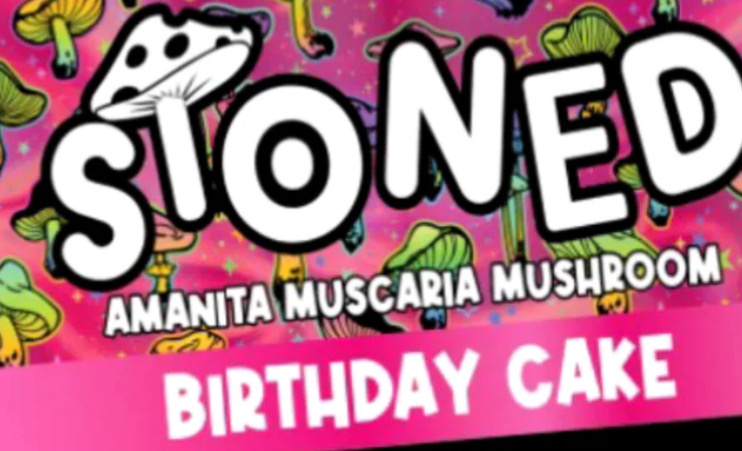
How It’s Legal
- Not scheduled federally: Because Amanita doesn’t contain psilocybin, it falls outside federal drug schedules and remains widely sold.
- Only Louisiana bans sale for human consumption: Louisiana RS 40:989.1 explicitly prohibits Amanita muscaria for human use.
- Most states have no age restrictions: Amanita products can be sold without ID checks, potency testing, or consistent oversight.
Even Experts Have Been Harmed
Renowned mycologist Paul Stamets described on The Joe Rogan Experience a terrifying Amanita episode — convulsions, blackout, and a 12-hour ordeal. His message: “Legal doesn’t mean safe.”
Watch: Paul Stamets describes a bad trip on an incredibly dangerous mushroom (JRE)
What Parents and Policymakers Can Do
- Require age limits (21+) for Amanita-containing products and strict penalties for sales to minors or child-appealing packaging.
- Mandate clear labeling, potency testing, and transparent oversight.
- Consider a statewide sales ban until independent safety data exists.
- Take action now with MAHA Letters — send a ready-to-edit message to your lawmakers.
Bottom Line
A pretty cap and a candy wrapper don’t make a toxin safe. Until laws catch up with marketing, parents and communities must push for protection first.
Share this page with parents, teachers, and local officials.