Dabbing - What Parents Need to Know About High-Potency Concentrates
A personal note: While I support legalized recreational marijuana for responsible adult use, I’ve learned how dangerously blurred the lines have become between adult and child markets. When products come in bright neon colors, packaged like candy, and labeled with flavors such as cake batter or fruit loops, it’s inevitable that children will find them.
Also, after watching the recent governor’s debate, I realized something else: most adults still think kids are smoking marijuana. They aren’t. Nobody smokes anymore — they vape or dab, and what they’re inhaling is far more potent than anything from the past.
What Dabbing Is
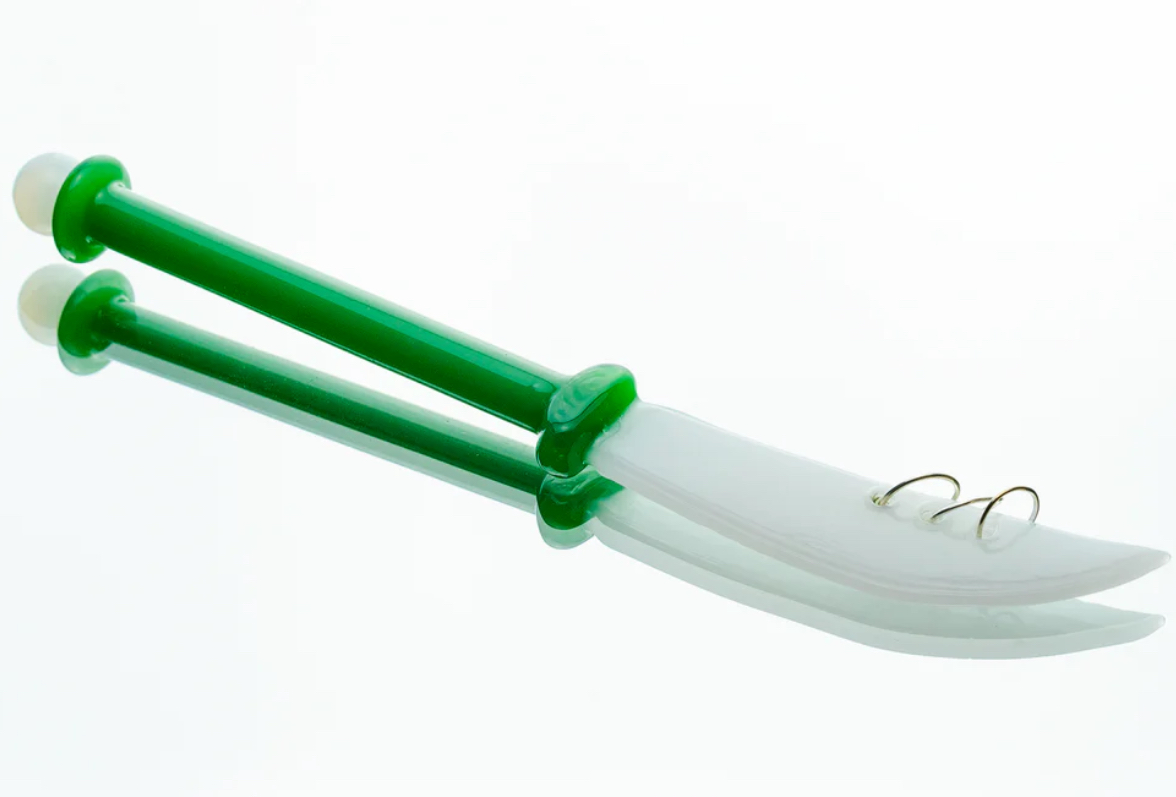
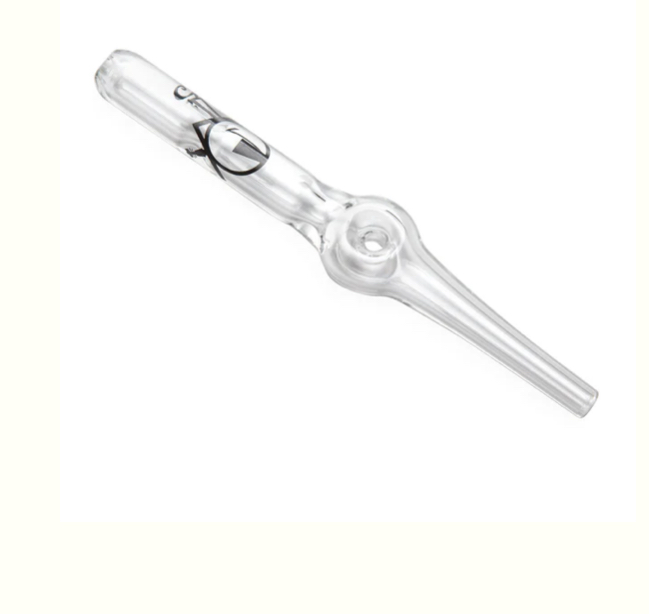
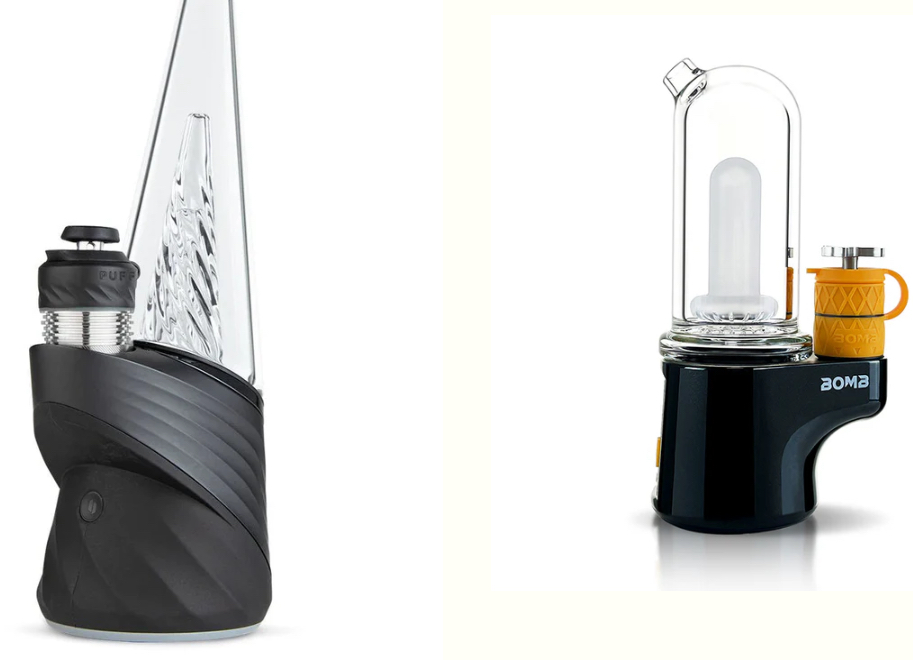
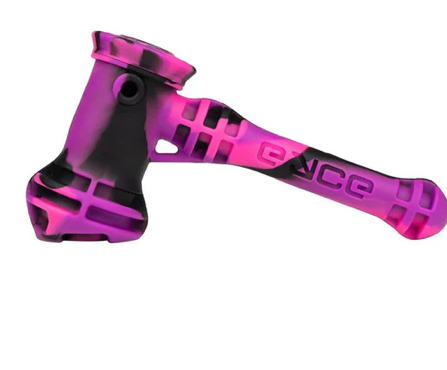
Dabbing is a newer way of consuming marijuana that involves inhaling vaporized THC concentrate instead of smoking plant material. A small amount of extract, called a “dab,” is heated on a surface known as a banger or nail, and the vapor is inhaled through a glass or electronic device called a dab rig. Traditional cannabis flower typically contains about 15–25% THC. Dabs can contain 60–90% THC, making them several times stronger. Research shows that concentrate users experience stronger withdrawal symptoms and are more likely to develop cannabis-use disorder compared with people who use flower alone (Bidwell et al., 2021; Loflin et al., 2016).
Recognizing the Tools
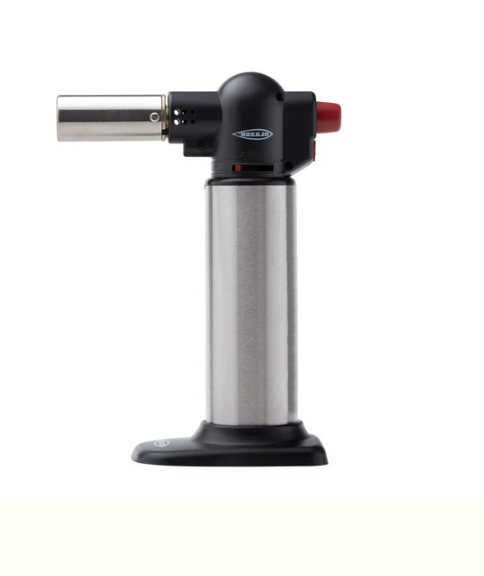
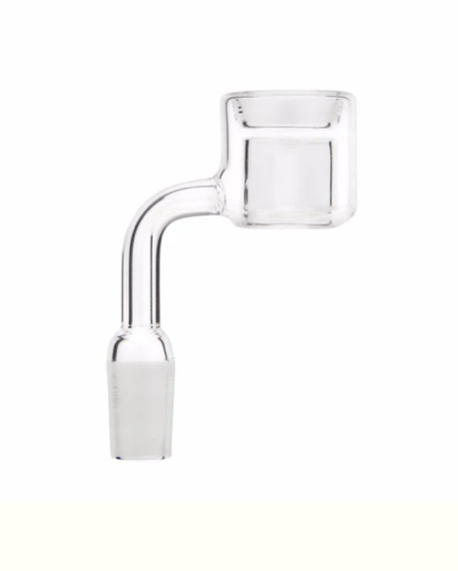
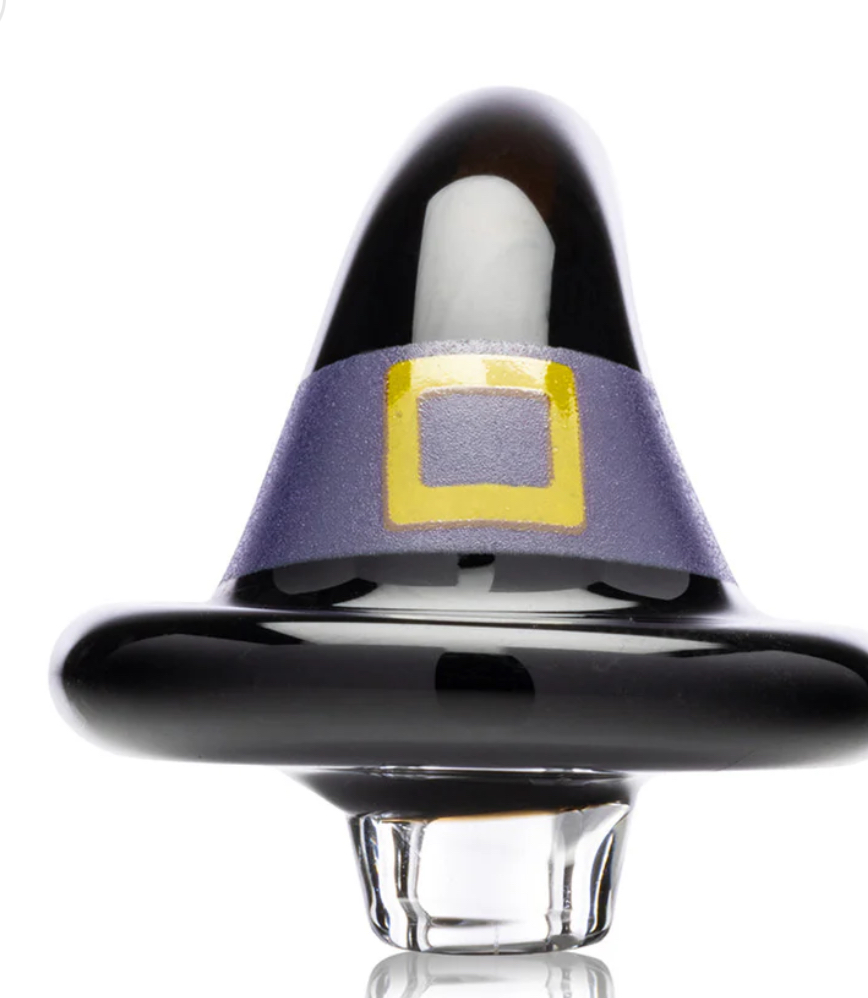
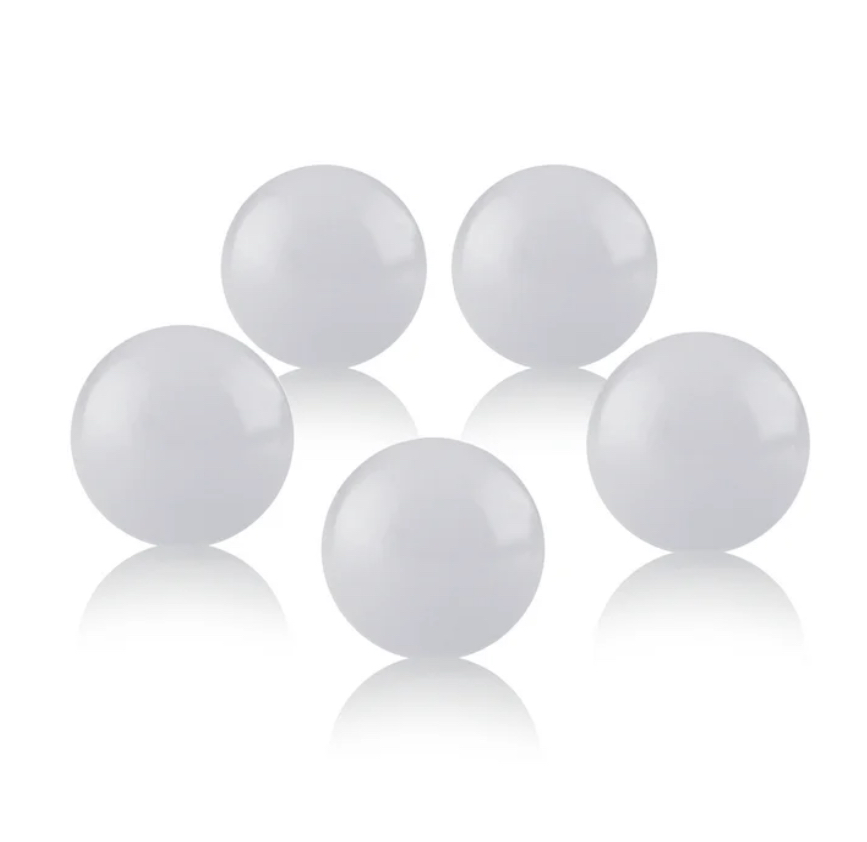


Types of THC Concentrates
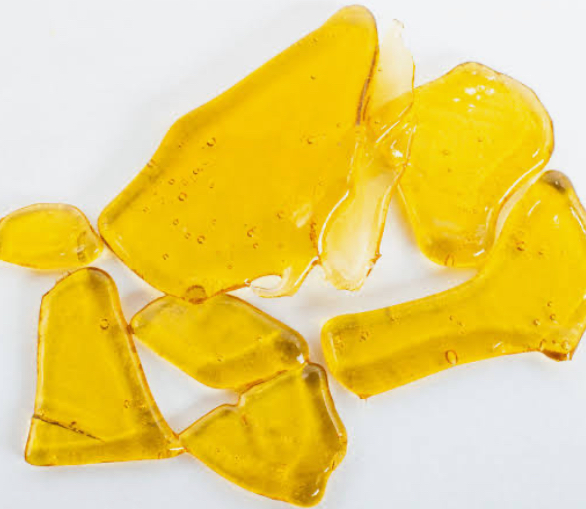
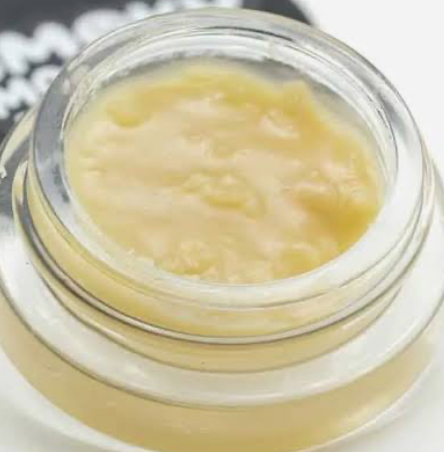
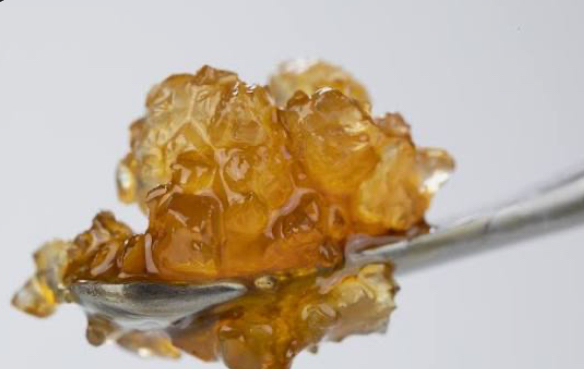
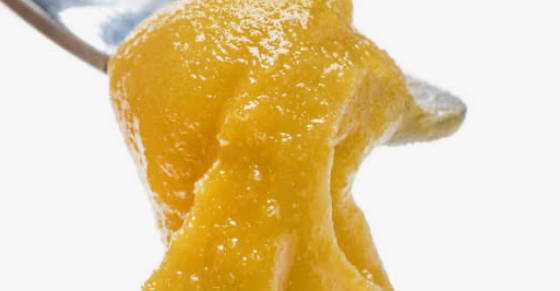
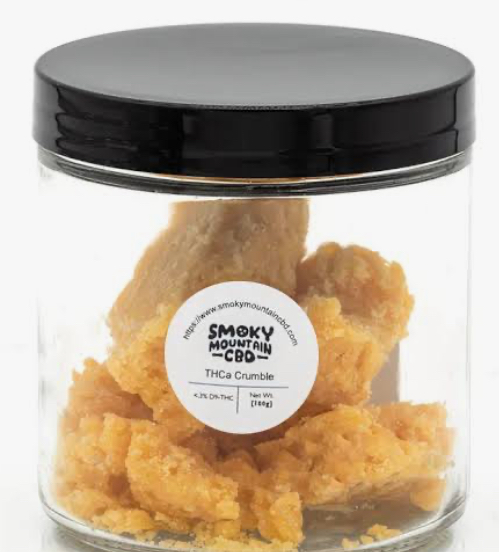
THC Oil / Distillate
Appearance: Thick amber liquid in a glass syringe, dropper bottle, or vape cartridge.
- Highly refined extract that can exceed 90% THC.
- Used to refill vape cartridges or dab directly in small amounts.
- May contain residual solvents, synthetic additives, thinning agents, or heavy metals from poor manufacturing.
- Delivers a very fast, very strong dose that increases risk of anxiety, paranoia, and dependence.
Note: Even when labeled “pure” or “lab tested,” low-quality oil can still contain contaminants or misreported potency.
THC Dabbing vs. CBD Dabbing
CBD dabbing uses the same process, tools, and appearance as THC dabbing. Despite being marketed as “non-psychoactive,” many CBD products contain THC, synthetic cannabinoids, or toxic residues. Even pure CBD dabs can release toxic gases like benzene and methacrolein when heated (Strongin et al., 2024).
Why Dabbing Is Dangerous
Dabbing delivers an extreme dose of THC to the brain within seconds. Studies show risks of dependency, psychosis, heart toxicity, and lung injury. Case reports document severe agitation, hypertension, and lung inflammation linked to butane hash oil vapor. Heating extracts also releases harmful compounds like aldehydes and ketene precursors found in cigarette smoke.
Take Action — Protect Kids From High-Potency Dabbing
- Ask legislators for strict penalties on retailers who sell dabbing paraphernalia and high-potency concentrates to anyone under 18 or 21, depending on state law. Require real ID checks and meaningful fines, license suspensions, and closure for repeat violations.
- Ban child-friendly marketing for vape and dab products. Outlaw flavors, cartoon imagery, neon toy-like packaging, and youth-targeted displays near candy and slushy machines.
- Show the evidence. Bring photos of local store displays and screenshots of online ads to hearings. Highlight carb caps shaped like toys, neon silicone rigs, and “cake batter” or “fruit loops” labeling as examples of youth appeal.
- Use MAHA tools. Send ready-made letters to your lawmakers with MAHA Form Letters and follow the steps in MAHA Take Action to organize testimony, file complaints, and push for inspections.
- Spread awareness. Share this guide with PTAs, coaches, school nurses, and faith groups. Ask health classes to include a short lesson on dabbing devices and concentrates.
What Parents Can Do
- Look for small silicone or glass jars, handheld torches, or colorful glass devices. Ask calmly what they are before reacting.
- Educate teens that dabs and CBD vapes are processed chemicals, not natural cannabis, and are far stronger.
- Contact a healthcare provider if you suspect use. Early help can prevent dependence or mental health complications.
- Check your state laws and report illegal sales or false CBD/THC health claims to health departments or the FTC.
References (PubMed Sources)
- Bidwell LC, Martin-Willett R et al. Advancing the science on cannabis concentrates and behavioral health-related outcomes. Front Psychiatry. 2021. PMID 33783029.
- Cannabis dabbing: An emerging trend. Nursing (LWW). 2021. PMC8078006.
- Curran HV et al. Health effects of high-concentration cannabis products: Scoping review. 2023. PMC10632847.
- Monte AA, Zane RD, Heard KJ. A little “dab” will do ya’ in: Neuro- and cardiotoxicity following dab use. J Med Toxicol. 2017. PMID 28644052.
- Strongin RM. Cannabis concentrate vaping chemistry. 2024. PMID 40552084.
- Baldwin M et al. Dabbing-induced hypersensitivity pneumonitis. Respir Med Case Rep. 2021. PMC8357011.
- Loflin M, Earleywine M. Exploring cannabis concentrates: User profiles, use patterns, and implications for cannabis-use disorder. Addict Behav. 2016. PMC6111049.