What Congress Wasn’t Told About Kratom — and Why the Science Briefing Backfired
PDF of the full congressional transcript: Download the full briefing transcript (PDF)
On September 24, 2024, the American Kratom Association hosted a “Congressional Science Briefing” regarding kratom. Testimony during that event included observations that raise questions about variability, composition, and safety of products sold in the United States.
The following summarizes statements and observations presented during that briefing.
1. Reports of Synthetic or Modified Compounds in Marketed Products
During the briefing, Dr. Chris McCurdy presented mass-spectrometry results of a product sold as kratom. He described findings that included:
- A dominant signal consistent with 7-hydroxymitragynine.
- Additional unidentified compounds.
- Discussion that some products may be created using isolated or modified alkaloids.
These observations suggest that some commercially available products may differ from traditional plant material.
2. Limitations in Current Testing Practices
During the briefing, Dr. McCurdy stated that forensic testing commonly focuses on mitragynine rather than 7-hydroxymitragynine.
If accurate, this may affect how certain exposures or outcomes are categorized in surveillance systems and clinical reporting.
3. Variability in Product Composition
Discussion during the briefing included variability in alkaloid content across products and batches.
- Differences between harvests
- Inconsistent concentrations
- Lack of standardization
Dr. Kirsten Smith noted that some products may not match traditional definitions of kratom, highlighting variability in labeling and composition.
These factors may complicate efforts to standardize or regulate products.
4. Dependence and Withdrawal Reports
Dr. Smith described patterns of frequent use, tolerance, and withdrawal associated with kratom consumption.
These patterns are consistent with substances that may produce physiological dependence.
5. Pharmacological Considerations
Mitragynine has been reported in scientific literature to undergo metabolic conversion to 7-hydroxymitragynine, which has activity at opioid receptors.
This pharmacology may be relevant to reported effects such as analgesia and withdrawal symptoms.
6. Statements Made During the Briefing
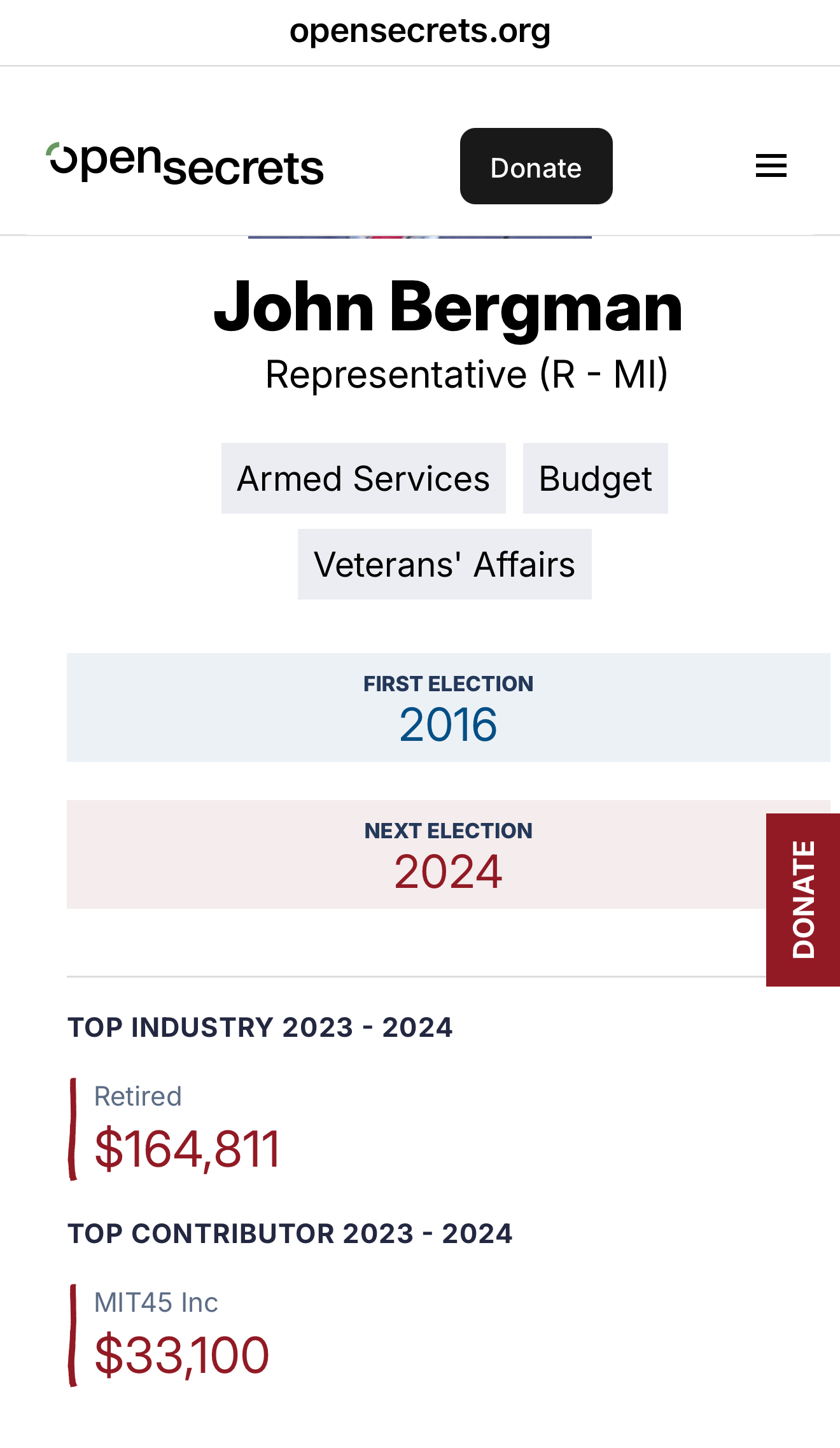
During the briefing, Rep. Jack Bergman made statements describing kratom as potentially beneficial for addiction and recovery.
Kratom is not currently approved by the FDA as a treatment for opioid use disorder, and there is no established consensus supporting such use.
No correction to these statements was recorded during the event.
The Bottom Line
The briefing included multiple statements highlighting variability, detection limitations, and pharmacological considerations relevant to kratom products in the United States.
These factors may be relevant to ongoing policy discussions regarding safety, regulation, and public health.
Take Action
- Review available evidence and regulatory options.
- Contact lawmakers using form letters.
- Share this information with community stakeholders.