MAHA ALERT: The Amazon “Pre-Workout” Crisis Every Parent of a Student Athlete Should See
Type “pre-workout” into Amazon and you won’t find science-based performance nutrition for teens. You’ll find psycho-themed stimulant cocktails dressed up like video-game graphics, horror-movie merch, or rave posters — all marketed to look “cool,” “hardcore,” and safe for your young athlete.
Behind the neon labels, though, are dangerous stimulant stacks more similar to gas-station highs than to anything found in sports medicine.
Below are the exact products your screenshots show — and why they pose real, immediate risk to young athletes.
1. Psycho Pharma – EDGE of INSANITY (Black Ice)
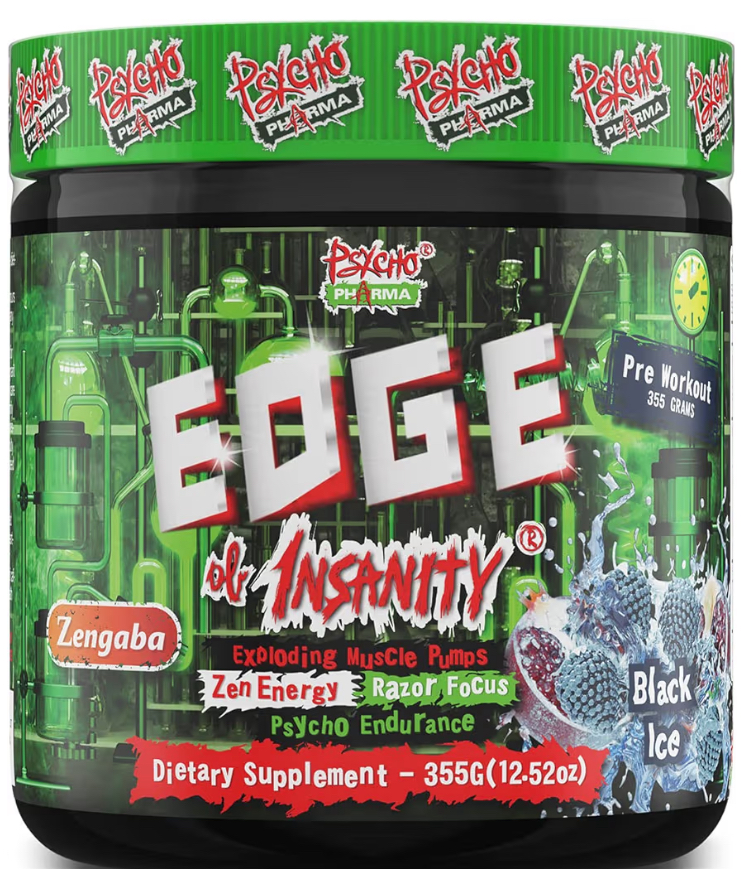
Packaging
Green toxic-lab theme, cartoon explosions, and the word INSANITY splashed across the front. This looks like a video game energy drink — not a regulated sports supplement.
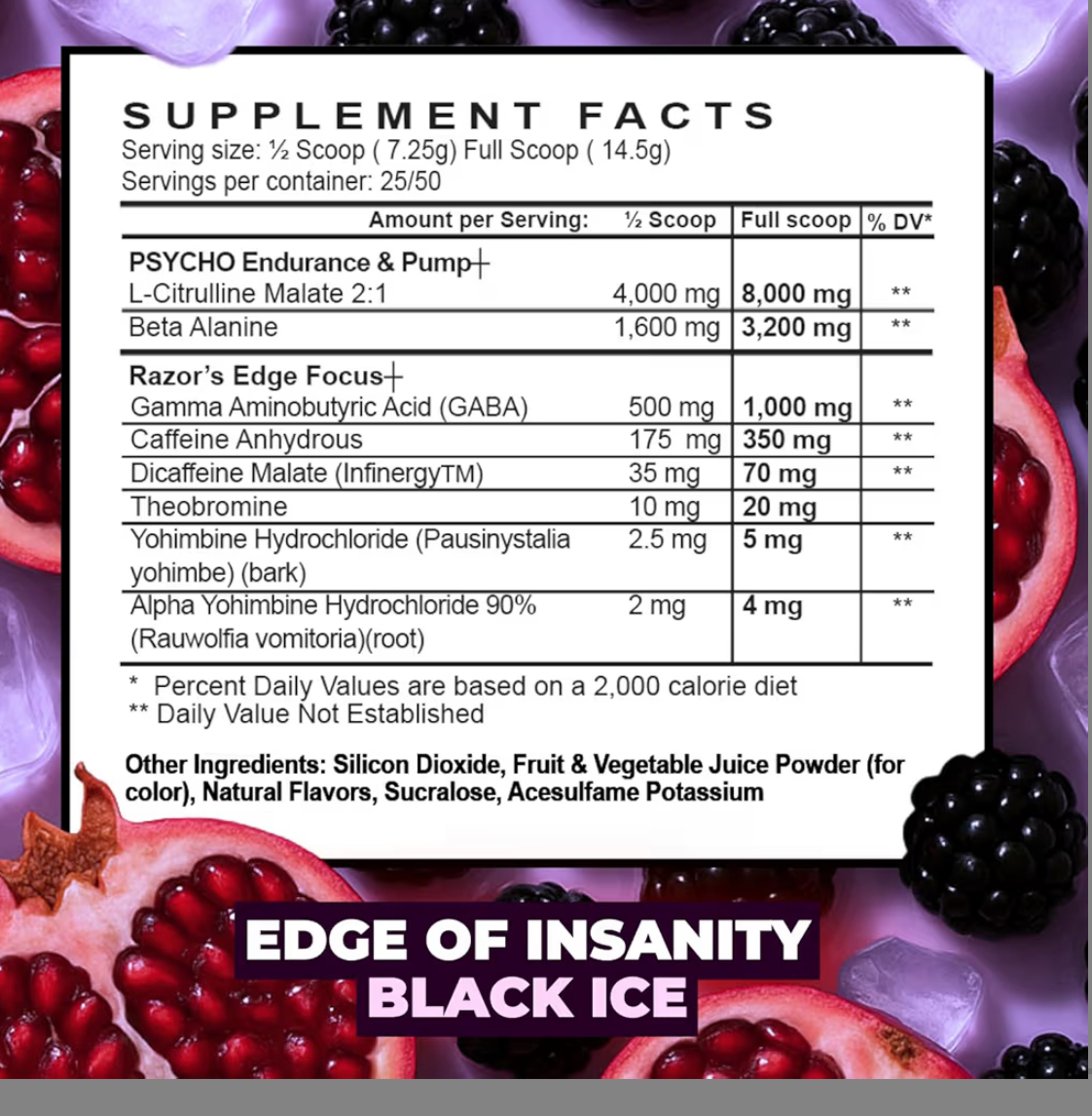
Stimulant Ingredients
Full scoop:
- 350 mg caffeine anhydrous
- 70 mg dicaffeine malate
- 420 mg total caffeine equivalents
- Theobromine (stimulant)
- Yohimbine HCl
- Alpha Yohimbine (Rauwolfia) — a high-risk stimulant that can trigger panic attacks, heart rate spikes, hypertension
- GABA megadose (1,000 mg) — affects the central nervous system
Why This Is Dangerous for Student Athletes
This mix can cause:
- Heart palpitations during practice
- Panic attacks mistaken for “mental weakness”
- Blood pressure spikes
- Dizziness, fainting
- Vomiting or tremors
- “Crash cycles” affecting sleep and school performance
It is the same stimulant profile seen in past “banned” pre-workouts — just redesigned with friendly fruit graphics.
2. WOKE AF – High Stimulant Pre-Workout
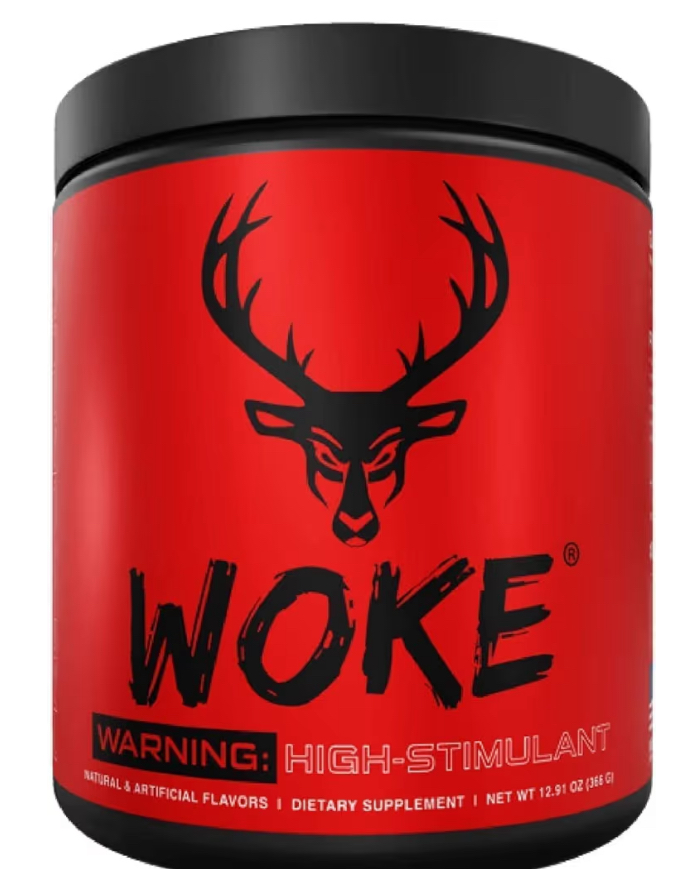
Packaging
Minimalist but aggressive red label with a stag skull. It literally says:
WARNING: HIGH-STIMULANT
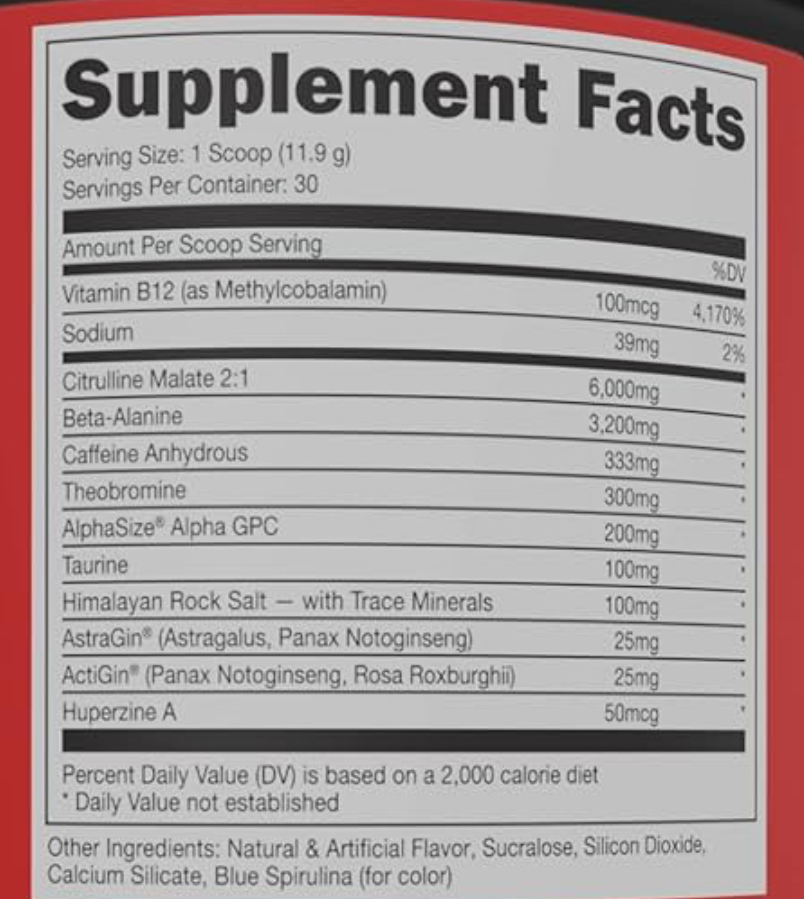
Stimulant Ingredients (per scoop)
- 333 mg caffeine
- 300 mg theobromine
- Alpha GPC, taurine, B12 superdose, Himalayan salt
While not as cartoonish as others, this formula is extreme — nearly the caffeine of 4–5 cups of coffee in one scoop.
Risks to Student Athletes
- Dehydration during conditioning
- Heart strain during sprints
- Sleep disruption → poor recovery → injury risk
- Mood instability
- Caffeine dependency
Teen athletes already push their cardiovascular system to the edge. This pushes it further — unsafely.
3. MANSON – Energy & Aggression
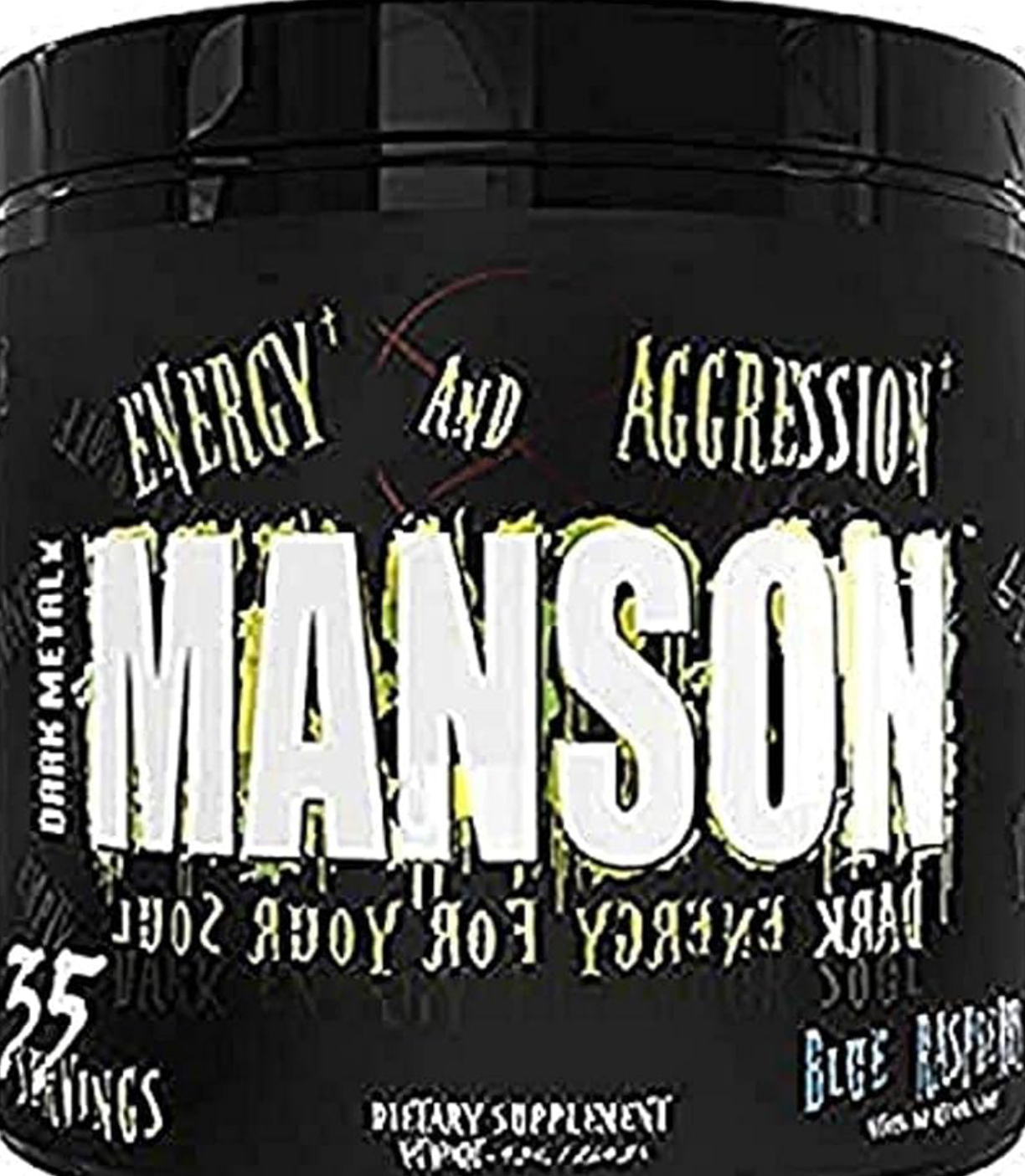
Packaging
Named after “Manson.” Marketed with aggression, “dark metal,” and horror aesthetics.
This crosses from “sports supplement” into gas-station fantasy combined with shock marketing.
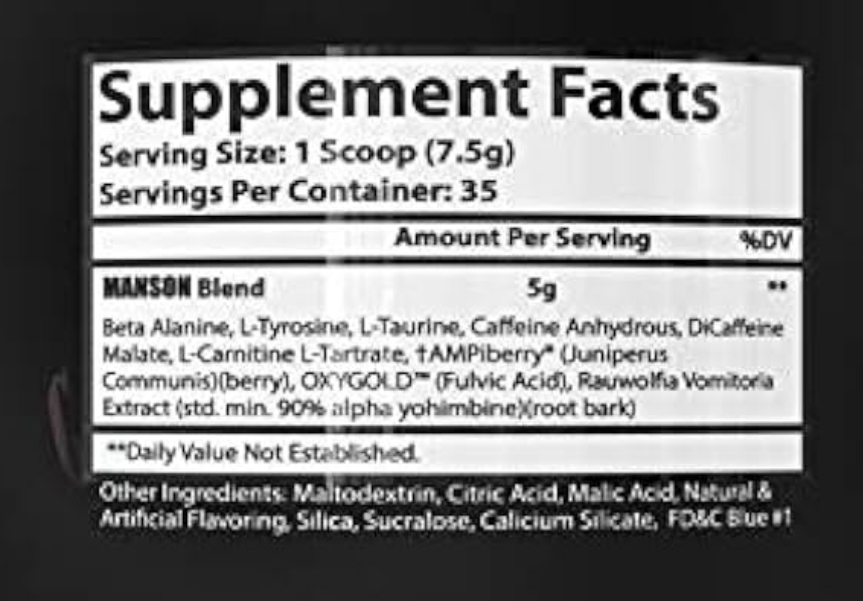
Stimulant Ingredients
- Caffeine anhydrous
- Dicaffeine malate
- Rauwolfia vomitoria extract (alpha yohimbine)
- Juniper extract
- Fulvic acid stimulant blend
This is a designer stimulant mix with the same profile as products pulled from shelves a decade ago.
Why This Is Dangerous
Rauwolfia/alpha-yohimbine alone can cause:
- Rapid heart rate
- Sudden spikes in blood pressure
- Panic, shaking, chills
- ER visits from “pre-workout reactions”
This ingredient is banned or restricted in several countries. Yet Amazon sells it with 35 servings for teens.
4. Non-Stim PUMP (Sour Gummy Bear) — Sounds Safe, but Isn’t for Teens
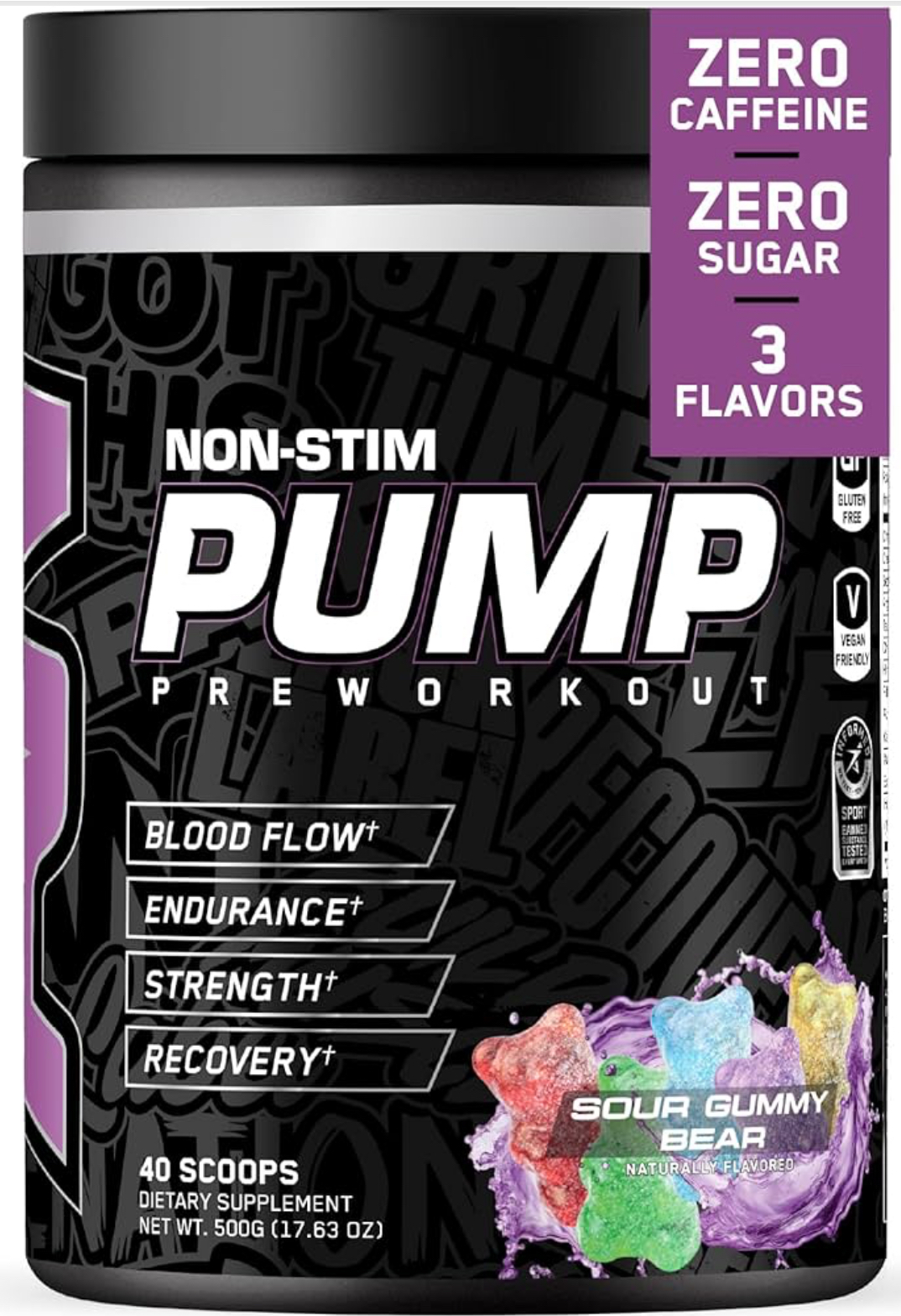
This one markets itself as zero caffeine and zero sugar, with gummy-bear imagery.
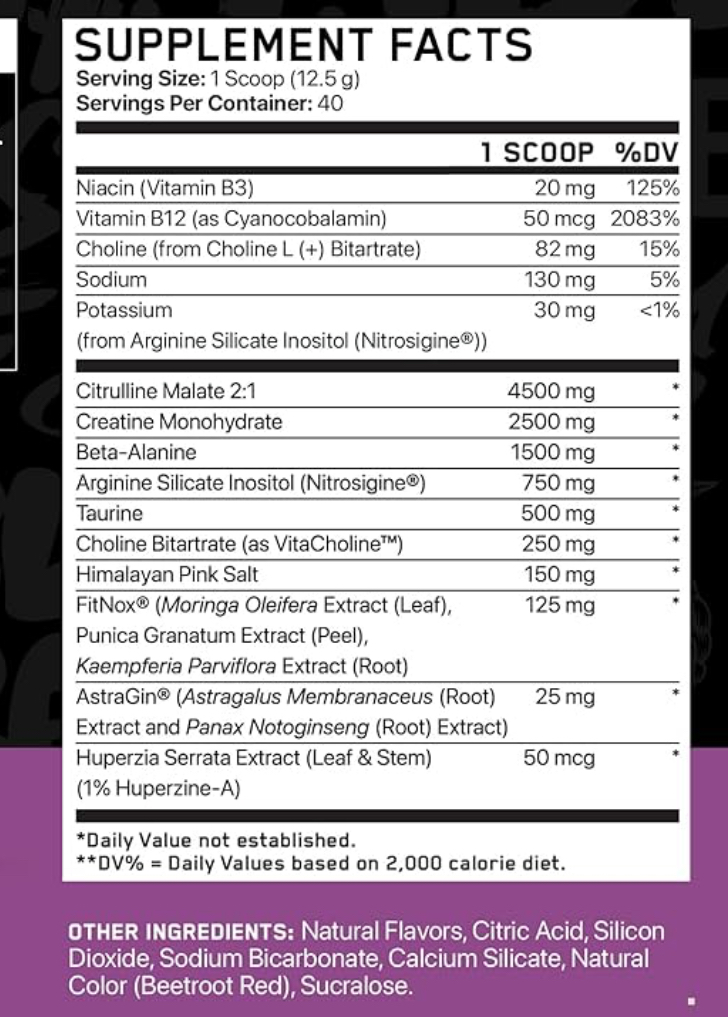
But it still contains:
- 4,500 mg Citrulline (major vasodilator)
- 2,500 mg Creatine
- 1,500 mg Beta-Alanine
- Nitrosigine, taurine, AstraGin, herbal extracts
These ingredients aren’t appropriate for many teens, especially without medical oversight. Creatine and vasodilators alter:
- Kidney hydration
- Blood pressure
- Electrolytes
- Heart workload during exertion
It also uses candy branding, which is the same tactic vape shops use for minors.
5. BLACKMARKET DEFY – Built for the Obsessed
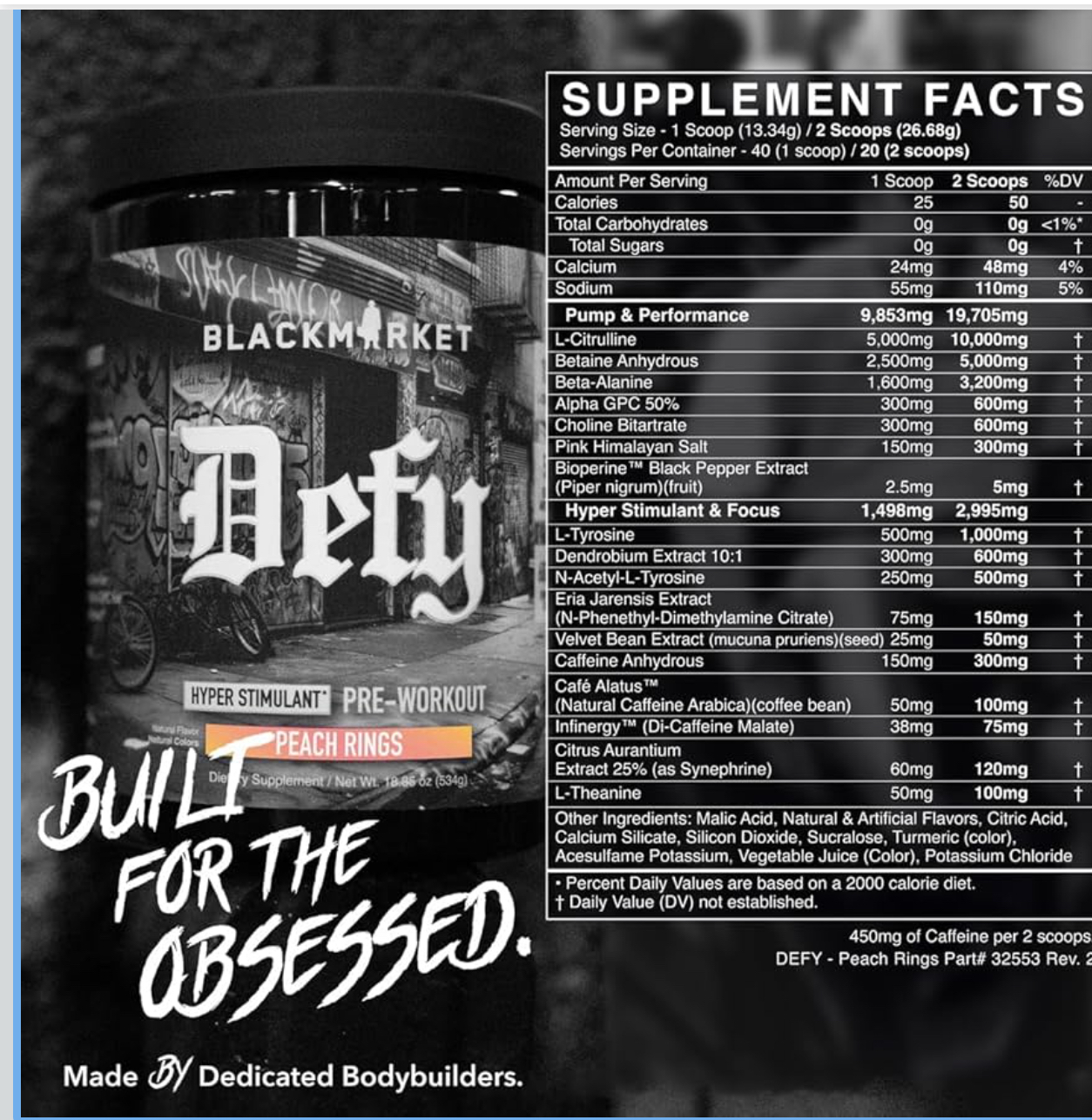
Packaging
Graffiti alleyway, urban grit, “hyper stimulant,” and the slogan:
BUILT FOR THE OBSESSED
This is marketed to teens chasing “beast mode” identity — not adults with training programs.
Stimulant Stack (2 scoops)
- 450 mg caffeine
- Synephrine (banned in many athletics associations)
- Eria Jarensis (designer stimulant similar to early DMAA analogs)
- N-Phenethyl-Dimethylamine Citrate
- Dendrobium extract
- Velvet bean (L-dopa source)
- Multiple caffeine forms
This is one of the strongest illegal-adjacent stimulant cocktails available without ID.
Why This Is Dangerous for Student Athletes
This is the product most likely to:
- Cause stimulant-induced panic
- Trigger arrhythmias
- Lead to long-term dependence
- Send a teen to the ER with “unknown supplement reaction”
The combination of caffeine + synephrine + eria jarensis is specifically linked to:
- Chest pain
- Elevated heart enzymes
- Heat-stroke–like episodes
- Sudden collapses during workouts
THE REAL PROBLEM: These Products Are Designed to Appeal to TEENS
Every one of these labels uses:
- Cartoon graphics
- Horror characters
- Candy flavors (Black Ice, Sour Gummy Bear, Blue Razz, Peach Rings)
- Masculinity challenges (“obsessed,” “insanity,” “aggression”)
- Bright neon colors
- Video-game aesthetics
This is not the language of professional sports science. This is the language of youth-targeted stimulants.
MAHA has watched this same pattern with:
- Vape liquids
- Delta-8
- Gas-station “brain booster” pills
- Tianeptine
- Phenibut
- Kratom gummies
Now Amazon has joined the game with extreme pre-workouts teenagers hide in their gym bags.
THE HEALTH RISKS ARE NOT THEORETICAL
Emergency rooms regularly see cases of:
- Pre-workout–induced tachycardia
- Panic attacks
- Blood pressure spikes
- Vomiting and fainting
- Heat exhaustion from stimulant overload
- Creatine dehydration injuries
- Yohimbine toxicity
Coaches often misinterpret reactions as:
“Mental toughness issues.”
Parents assume:
“Everybody uses pre-workout.”
But the ingredients are not normalized, the doses are extreme, and the target demographic is dangerously young.
WHAT PARENTS OF STUDENT ATHLETES MUST DO NOW
- Ask what pre-workout your student is taking.
Most will tell you “it’s just Amazon.” - Look for red-flag ingredients:
- Yohimbine
- Alpha Yohimbine
- Rauwolfia
- Eria Jarensis
- Synephrine
- Dicaffeine Malate
- “Proprietary Blends”
- Over 200 mg caffeine per scoop
- Share this with your child’s coach or trainer.
Most coaches are unaware how extreme these formulas are. - Report unsafe stimulant products to your state health department.
Use MAHA’s directory of laws and contacts at State Laws & Health Departments. - Talk openly about why teens chase these powders.
Pressure. Team culture. Fear of falling behind. Body image. These powders prey on those insecurities.
FINAL WORD FROM MAHA
Student athletes do not need to flirt with cardiac collapse to compete. They do not need psycho-themed powders named after cult killers. They do not need candy-flavored stimulant stacks built from loopholes in supplement law.
They need adults who pay attention.
Amazon may not protect them. Supplement companies certainly won’t.
But parents can.
And today, that starts with you.
Take Action
- Audit your teen’s gym bag and supplement shelf for high-stimulant pre-workouts like these.
- Share this post with other parents, coaches, and school administrators.
- Report dangerous products through State Laws & Health Departments and ask regulators to treat these the same way they treat other high-risk stimulants.