Akuamma: The “Next Kratom” Showing Up in Gas Stations
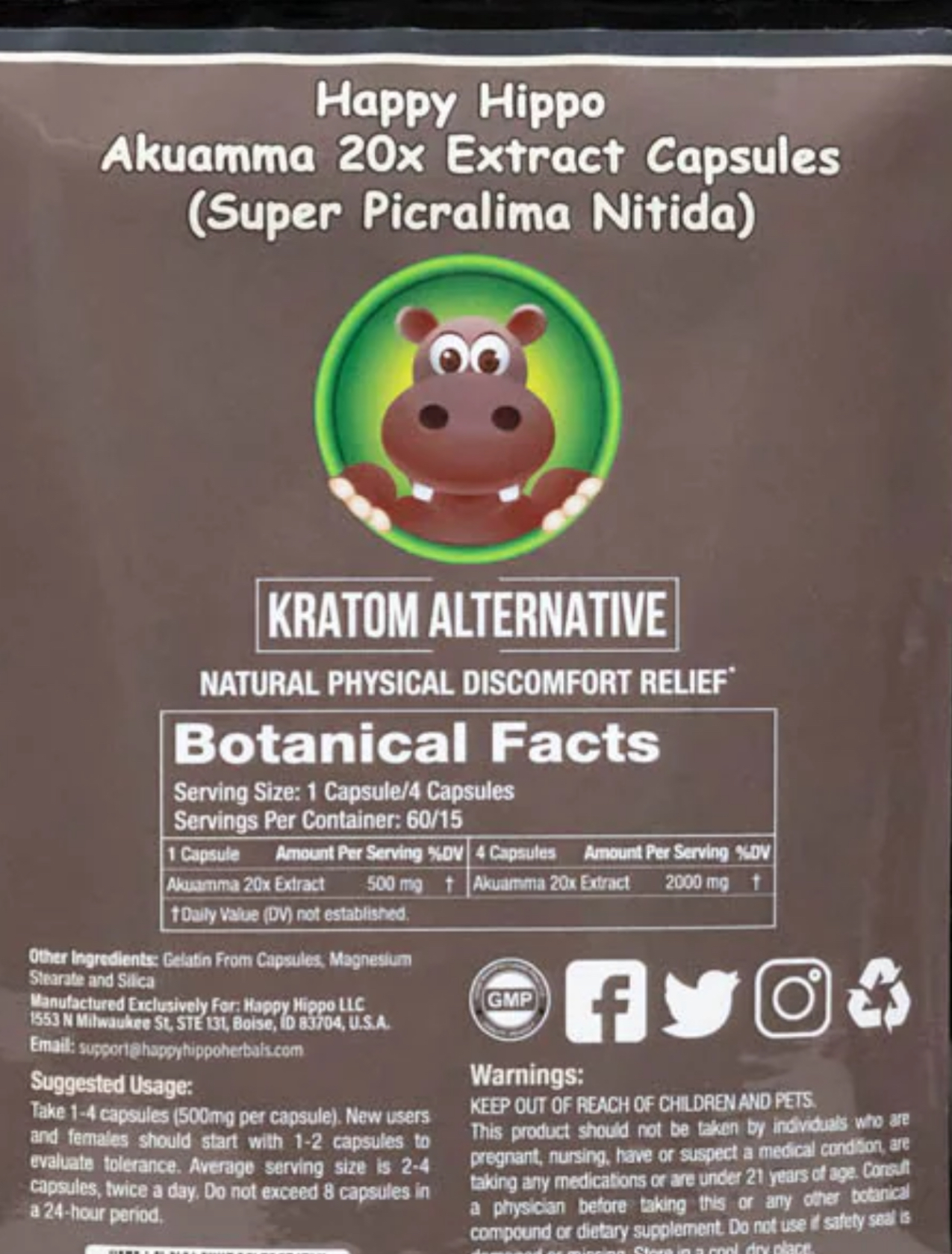
You’ve probably heard of kratom by now — the “herbal high” sold in gas stations that acts like an opioid and has hooked thousands of teens and young adults.
There’s another one coming right behind it:
Akuamma.
It looks harmless. It sounds like a plant. But it hits the body in almost the same way kratom does — and comes with the same risks.
What Is Akuamma?
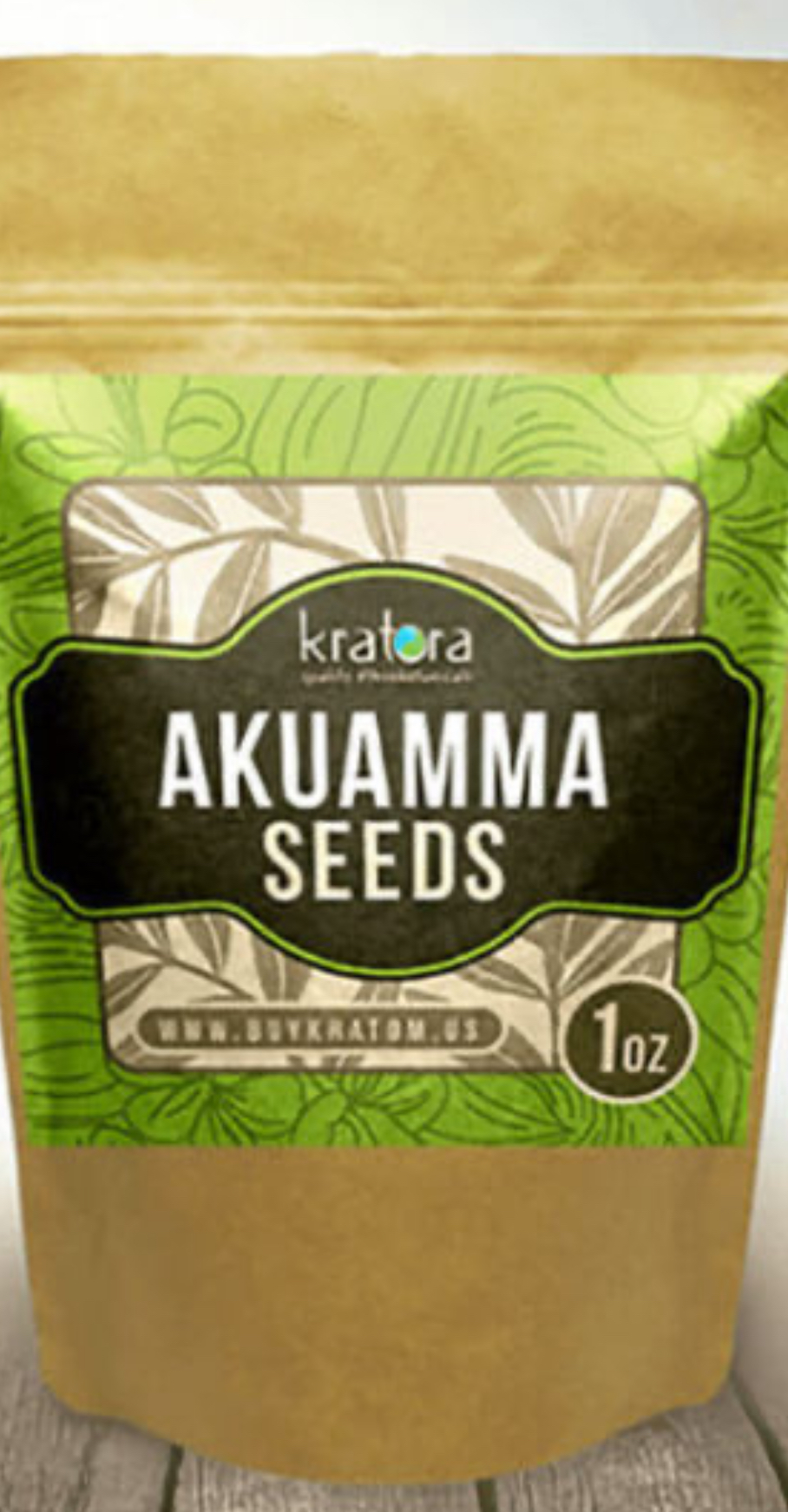
Akuamma comes from the seeds of a tree in West Africa. For years, almost nobody in America knew what it was. Now companies are putting it in:
- Capsules
- Pills and tablets
- Powders
- “Pain relief” drops
- Vape shop blends
- Gummies and “relaxation chews”
It’s showing up in the exact same places kratom did when it first entered the U.S. market.
Why Teens and Young Adults Try It
Akuamma is being advertised as:
- “Natural pain relief”
- “A legal buzz”
- “A kratom alternative”
- “Safer than pills”
Kids see “natural” and assume it’s safe. Shops tell customers it’s “like kratom but gentler.”
That is absolutely not the case.
How Akuamma Affects the Body (Simple Explanation)
Think of the brain like a set of locks. Opioids — like oxycodone — open certain locks that make people feel relaxed, floaty, or slowed down.
Kratom opens some of those same locks.
Akuamma opens the same ones too.
So even though it comes from a seed, it can still:
- Make a person feel high
- Make them very sleepy or heavy
- Slow their breathing
- Cause nausea and vomiting
- Build tolerance
- Cause withdrawal if they use it often
- Become addictive
The Overlap With Kratom: Why Parents Should Be Alert
Akuamma and kratom are being sold the same way, to the same crowd, with the same promises.
1. Same “legal high” messaging
Both are sold as “safe,” “natural,” and “not addictive.” None of it is true.
2. Same store shelves

If your local gas station sells kratom, akuamma will follow shortly behind it.
3. Same slippery labels
Products often hide it under vague names like:
- “Pain blend”
- “Calming extract”
- “Herbal relaxer”
- “Proprietary blend”
4. Same pattern of misuse
Online posts already show people:
- Taking more and more to “feel something”
- Mixing it with kratom or phenibut
- Using it for a cheap buzz
- Struggling with withdrawal
Why Akuamma Is Becoming a Problem Now
1. Kratom bans are spreading
As more states restrict kratom, shops are rushing to stock the “next legal substitute.”
2. Zero regulation
There are no rules for:
- How strong it can be
- What’s mixed into it
- Who can buy it
- Whether labels are truthful
A teen can walk into a vape shop and buy akuamma capsules that act like opioids — legally.
3. It’s being mixed with other gas-station drugs
Companies are combining akuamma with phenibut, blue lotus, kratom, and tianeptine.
This makes effects stronger — and far more dangerous.
What Parents Might Notice
- Long naps or “nodding off”
- Looking very tired or dazed
- Nausea or vomiting
- Hidden capsules or powders
- Sudden irritability or mood shifts
- “Herbal pain relief” packages
- Mysterious mail orders with vague labels
If you’ve ever seen someone misuse kratom, the behavior looks extremely similar.
Why This Matters
Akuamma is being sold as “just another herb.”
It isn’t.
It affects the body like a drug, can cause dependency, and is already being used by teens as a legal, cheap high.
We are watching history repeat itself.
What You Can Do
- Avoid stores that sell kratom or gas-station highs — these shelves expand fast.
- Talk openly with your kids about these products before they see them online.
- Report stores selling to minors.
- Share this information with teachers, SROs, school nurses, coaches, and parents.
- Use MAHA’s state directory to contact your health department: State Laws & Contacts