The Next Gas-Station High: Arecoline Vapes, Chewable Beads & “Nicotine-Free” Pods Made From Areca Nut
What you’re looking at is not candy, not a wellness device, and not a harmless nicotine-free vape. It’s the newest—and one of the most dangerous—waves of herbal highs: areca nut products marketed specifically for buzz-seeking teens.
MAHA has been tracking these for months. Now they’re showing up in gas stations, vape shops, and TikTok feeds disguised as stress relievers, “legal buzz” alternatives, or nicotine-free vapes.
Let’s break down what these products actually contain, why the active ingredient—arecoline—has been classified as a Group 1 human carcinogen, and why the science is terrifying.
The Pictures Tell the Story
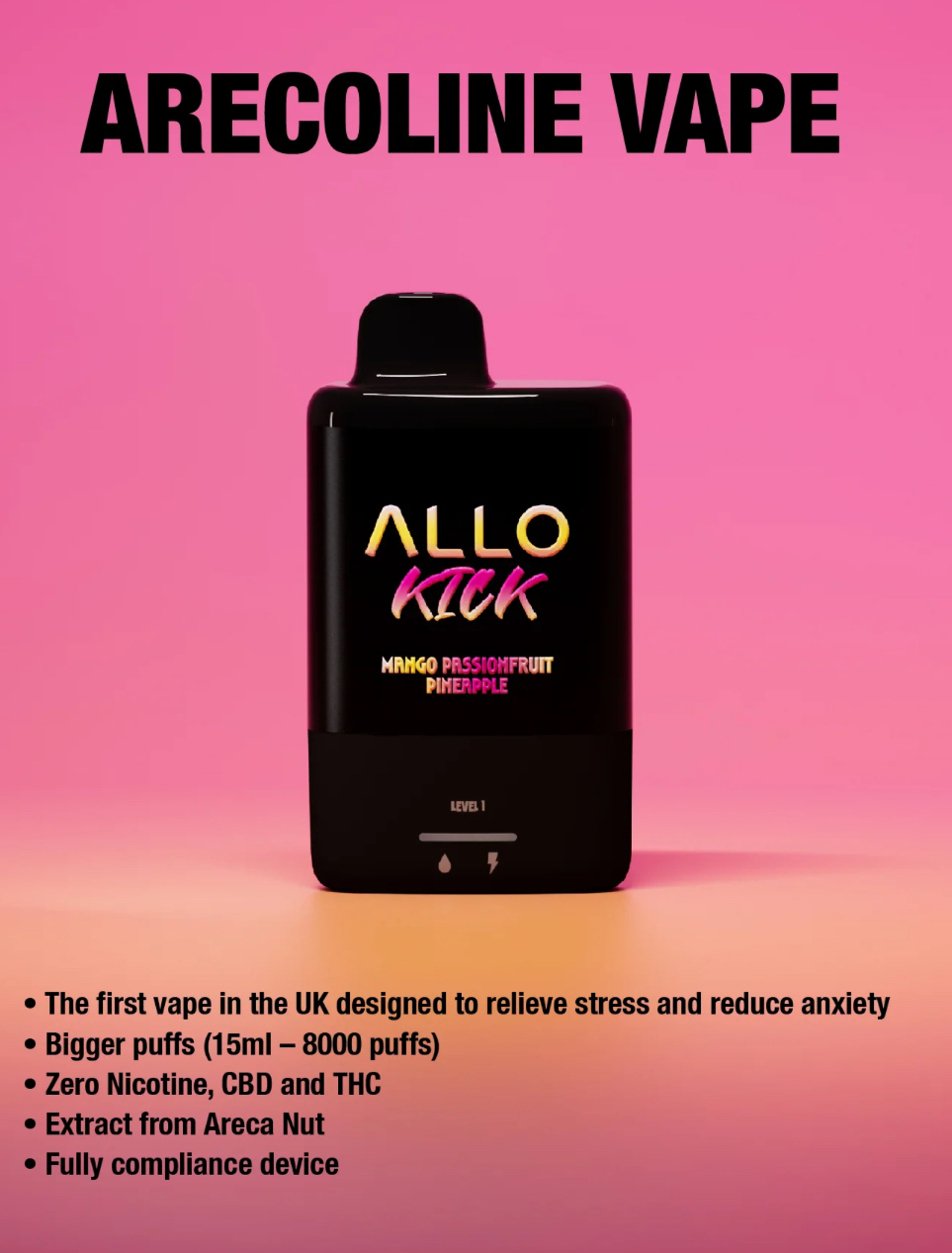
This device openly states:
- “Extract from Areca Nut”
- 15 mL / 8000 puffs
- Marketed to “relieve stress and reduce anxiety”
- Zero nicotine, zero CBD, zero THC
In other words: they removed the regulated drugs and replaced them with an unregulated carcinogen.
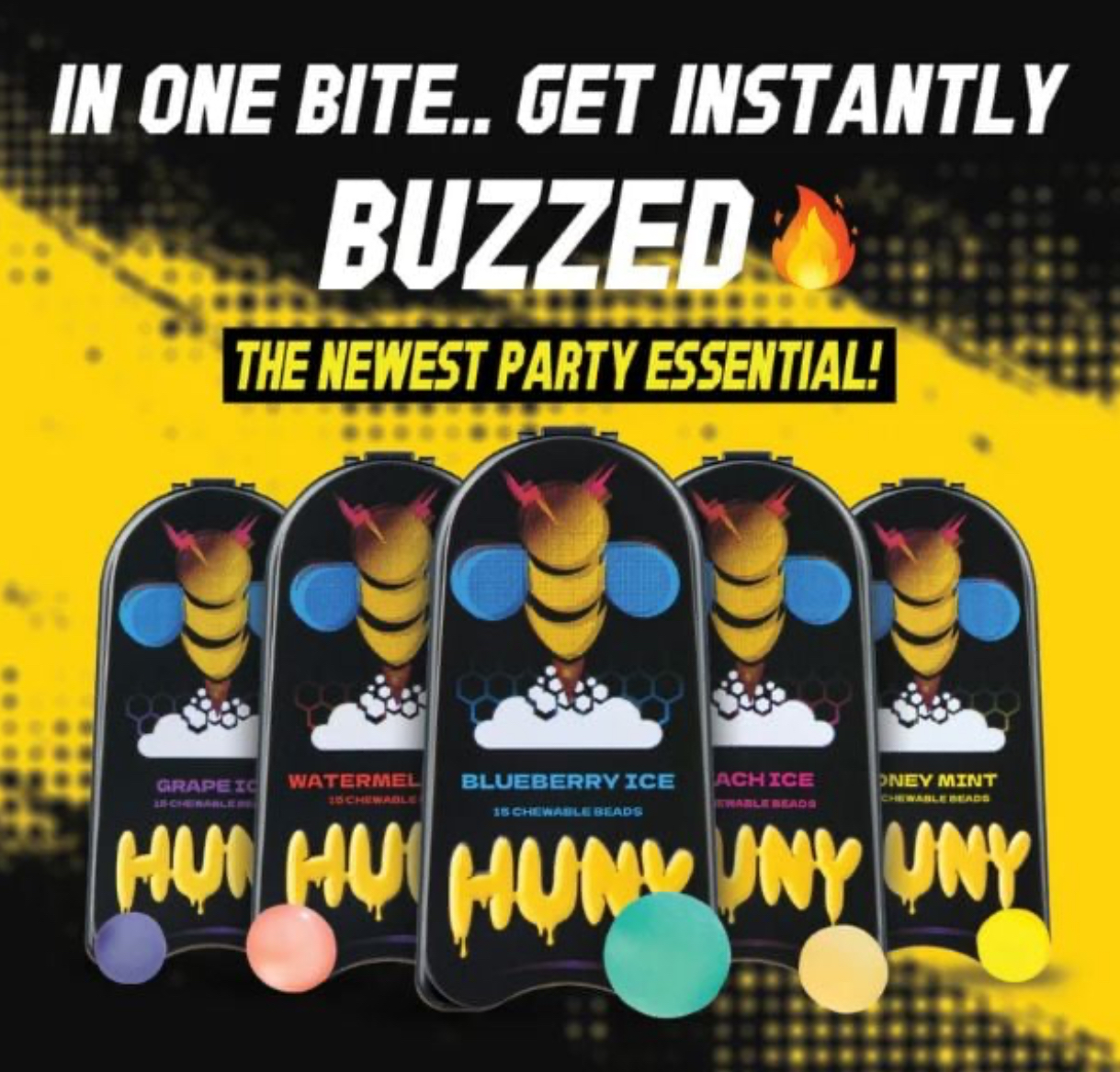
These are small chewing beads, fruit-flavored, packaged like children’s candy, and advertised as “the newest party essential.” Early buyers report a nicotine-like head rush and “tingly buzz” — exactly what arecoline produces.
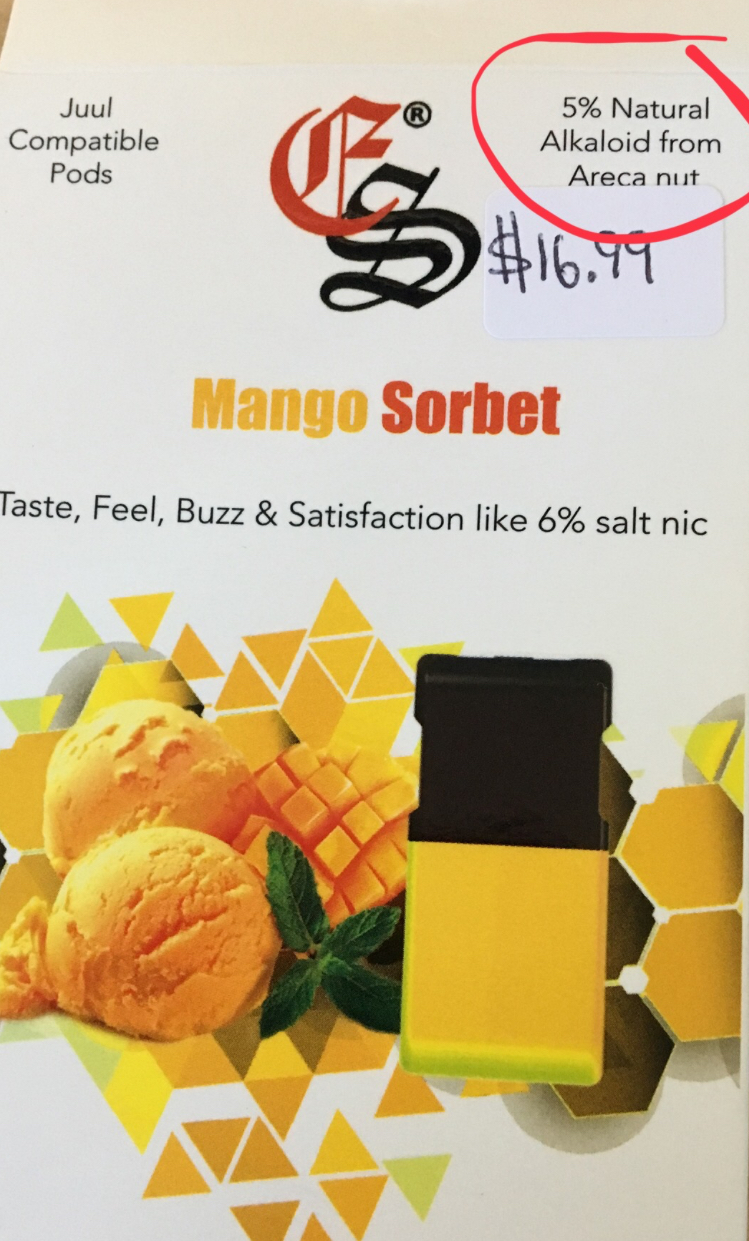
This JUUL-compatible pod is brazen: it positions areca alkaloid content “like 6% salt nic,” essentially selling arecoline as a nicotine replacement despite decades of evidence tying areca nut to oral cancer and oral submucous fibrosis.
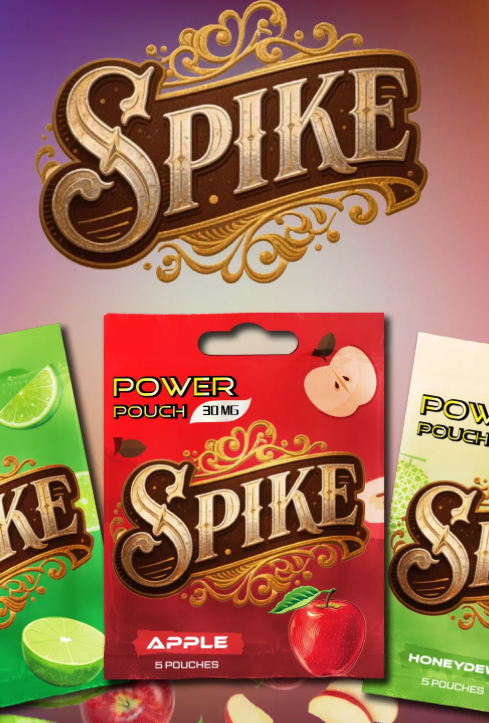
These pouches are styled like oral nicotine products, but store owners report “herbal” or areca-derived actives instead of nicotine. Labels rarely disclose what’s inside.
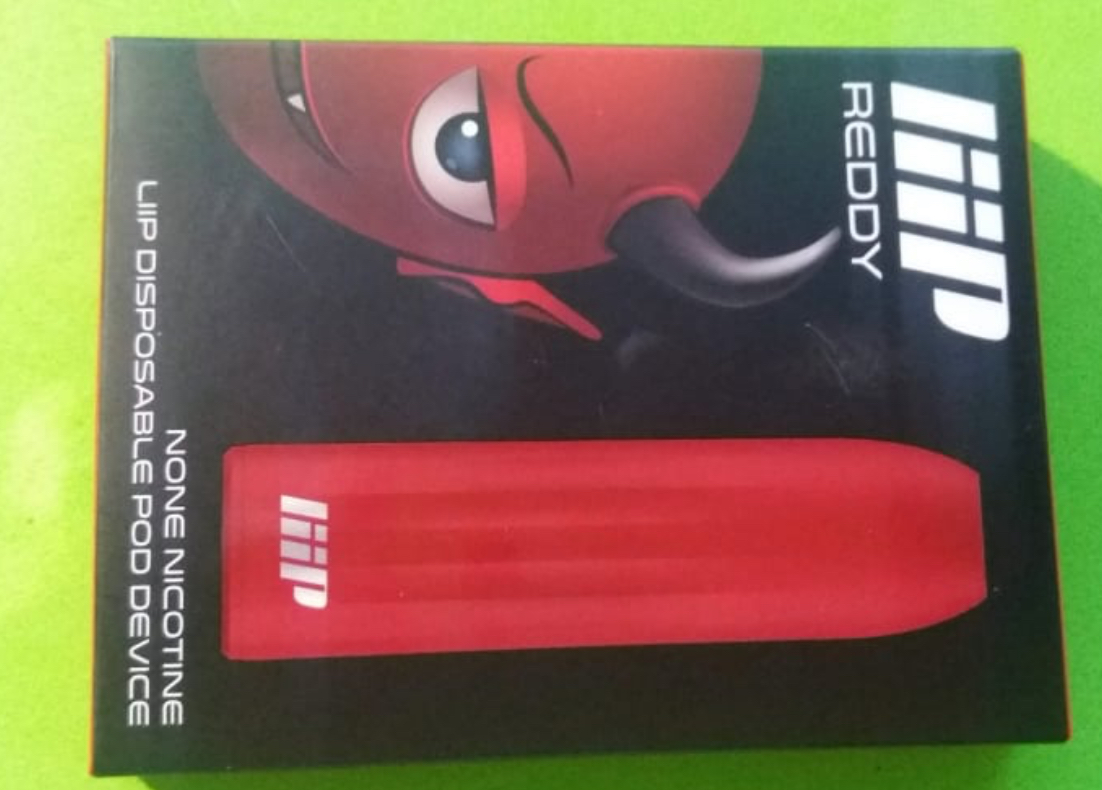
Retailers report that some of these new “none nicotine” disposables are being filled with areca-based liquids to keep customers hooked without triggering nicotine regulations.
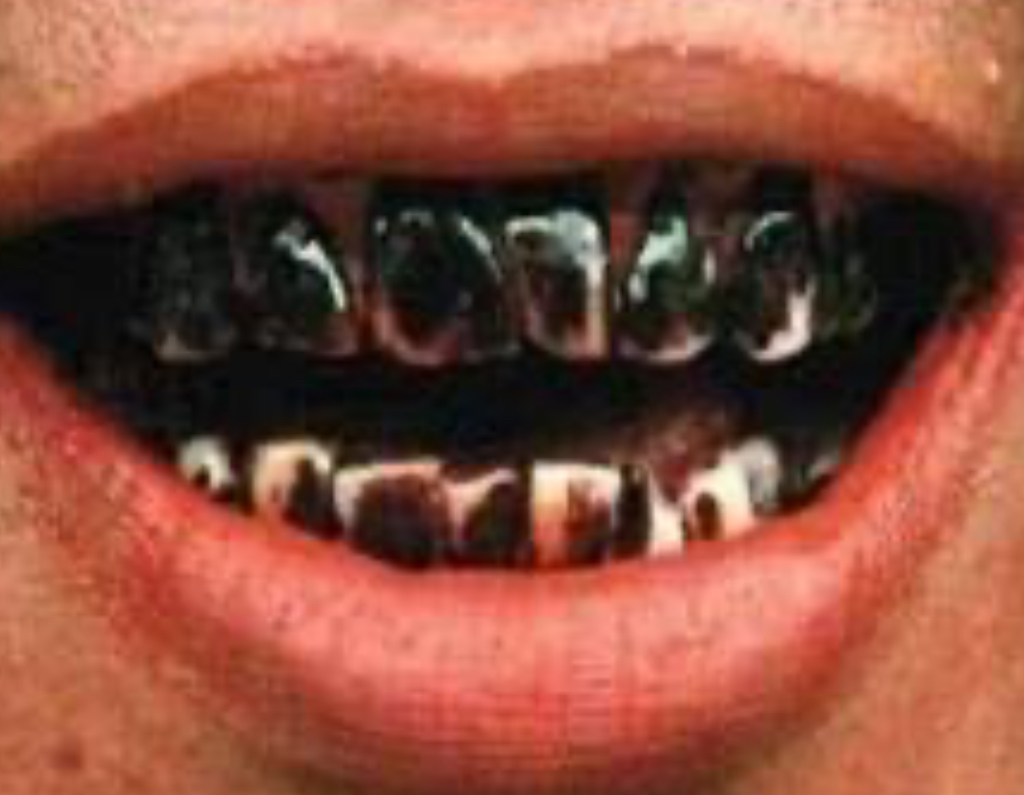
What Is Areca Nut, and Why Is This So Dangerous?
Areca nut and its main alkaloid, arecoline, are not new to medicine. They have been studied for decades — and the verdict is not ambiguous.
The International Agency for Research on Cancer (IARC) classifies areca nut as a Group 1 human carcinogen, in the same category as asbestos and smoked tobacco.
Experimental and clinical research show that areca nut and its metabolites:
- Cause DNA strand breaks, chromosomal damage, and mutagenesis
- Trigger epithelial–mesenchymal transition, tissue fibrosis, and malignant transformation in oral tissues
- Induce oral submucous fibrosis (OSF), a precancerous condition with high malignant transformation rates
Reviews of the chemical composition of areca nut describe a potent mix of alkaloids (arecoline, arecaidine), polyphenols, tannins, copper, and nitrosamines — all contributing to carcinogenesis and systemic toxicity.
Dependence reviews show that areca use produces a recognizable withdrawal syndrome — anxiety, irritability, reduced concentration, and sleep disturbance — and that dependence rates in some communities exceed those for alcohol.
This is the chemistry being repackaged as “nicotine-free wellness.”
Why the New Products Are Especially Harmful
1. Vaporized arecoline = faster absorption, deeper exposure
Traditional use involves chewing. Vaping pushes arecoline directly into lung tissue and systemic circulation, bypassing many of the natural barriers that at least slow down exposure during chewing.
2. “Nicotine-free” branding removes the last guardrails
By claiming “zero nicotine,” manufacturers sidestep tobacco laws, flavor restrictions, and age controls. Parents assume “no nicotine” means low risk, when in fact the active is a proven carcinogen with addictive properties.
3. Youth-targeted flavors and aesthetics
Mango passionfruit pineapple. Blueberry ice. Candy-colored beads and devil mascots. This is not designed for 55-year-old adults in cessation programs. It is aimed squarely at teenagers, using the same marketing language as energy drinks and vape flavors.
4. No ingredient disclosure, no toxicology, no testing
Unlike regulated nicotine products, areca-based vapes and pouches have:
- No mandatory ingredient listing
- No required toxicology testing
- No maximum dose standards
- No cancer-warning labels
Yet the underlying research on areca nut carcinogenicity is stronger than for many other “herbal highs.”
Why Teens Call It a “Buzz”
Arecoline is a cholinergic and dopaminergic drug. It increases dopamine levels, stimulates muscarinic receptors, and can produce:
- Head rush and flushing
- Tingling in the jaw and mouth
- Euphoria and increased alertness
- Mild appetite suppression
From a marketing standpoint, it feels close enough to nicotine to sell — without having to say the word “nicotine” on the box.
The Real Threat: “Nicotine-Free” ≠ Safe
This is the loophole manufacturers are exploiting: remove nicotine, keep the dependency, dodge regulation.
“Nicotine-free” on the label now means:
- No tobacco tax
- No tobacco licensing
- No age controls in many jurisdictions
- No standard chemical testing
Replacing nicotine with a Group 1 carcinogen and calling it an upgrade is not harm reduction; it is marketing malpractice.
What Parents, Teachers, and SROs Should Know
These products:
- Are being sold today (often imported from overseas markets)
- Are marketed directly to youth as party essentials and stress relievers
- Contain alkaloids with confirmed carcinogenic and fibrotic effects
- Are not regulated by tobacco or cannabis laws
- Are often labeled only as “herbal” or “natural alkaloids”
This is the kratom and tianeptine playbook all over again, only this time using a drug that cancer epidemiology has been warning about for decades.
What You Can Do Right Now
- Learn to recognize the packaging. Look for “nicotine-free” vapes, chewable beads, and pouches that advertise a “buzz,” “head rush,” or “stress relief,” especially if they mention areca, arecoline, “natural alkaloid,” or “betel.”
- Ask directly what students are using. In health classes, locker rooms, and counseling sessions, include areca nut and “nicotine-free buzz products” in your questions — not just nicotine, alcohol, and THC.
- Report suspicious products. Photograph labels and file complaints with your state health department or attorney general. Use MAHA’s directory at State Laws & Health Departments to find the right contacts.
- Push for policy that names areca and arecoline. Ask legislators and school boards to treat areca-derived alkaloids as adulterants or controlled substances, not as harmless herbs.
- Share this information. Send this page to coaches, PTAs, school nurses, and SROs. Most have never heard the words “arecoline vape,” but they have already seen the packaging.